



Purple Willow / Osier

General characteristics of a Purple Willow / Osier
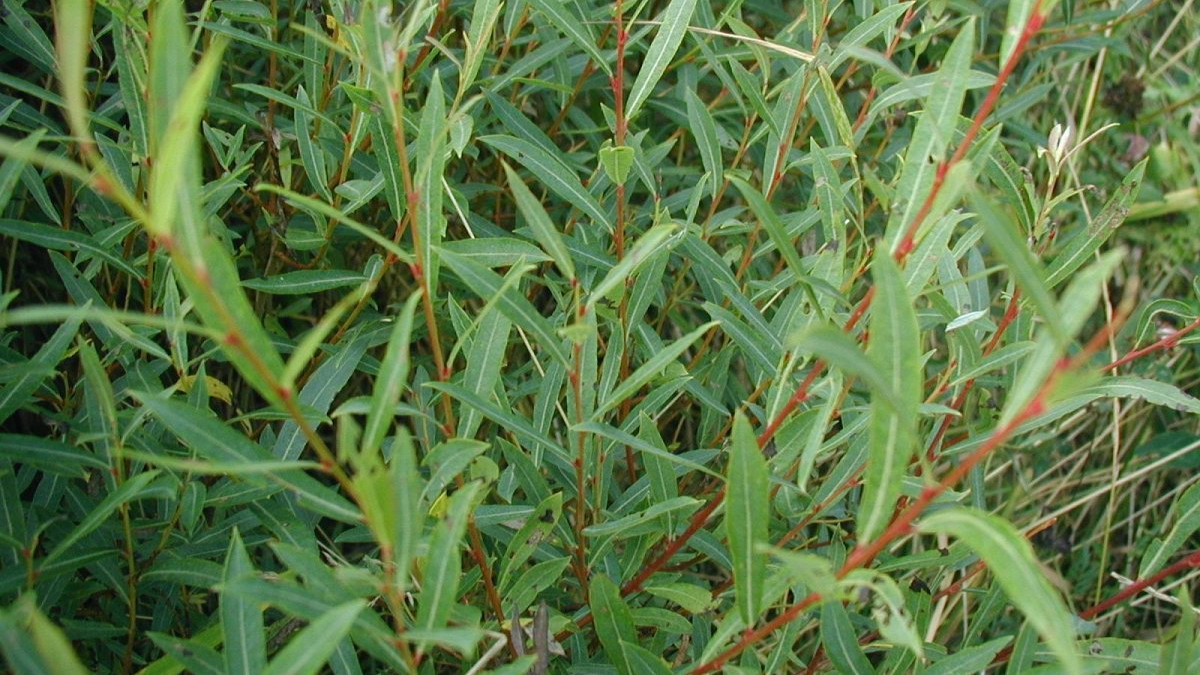
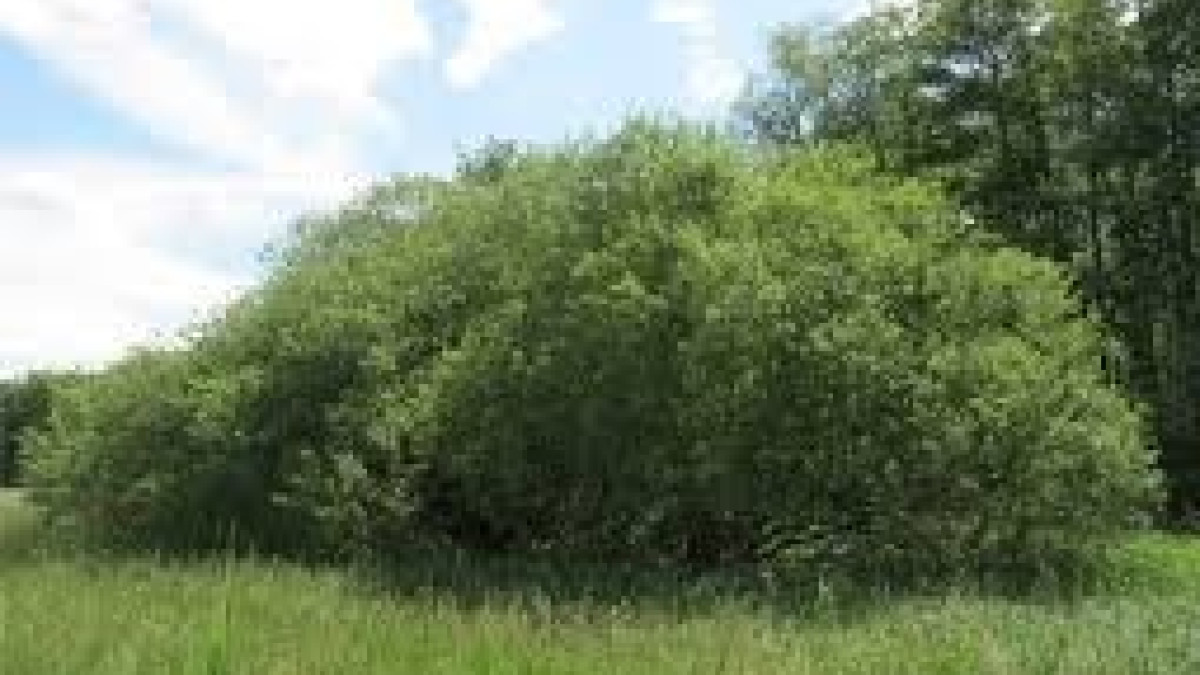
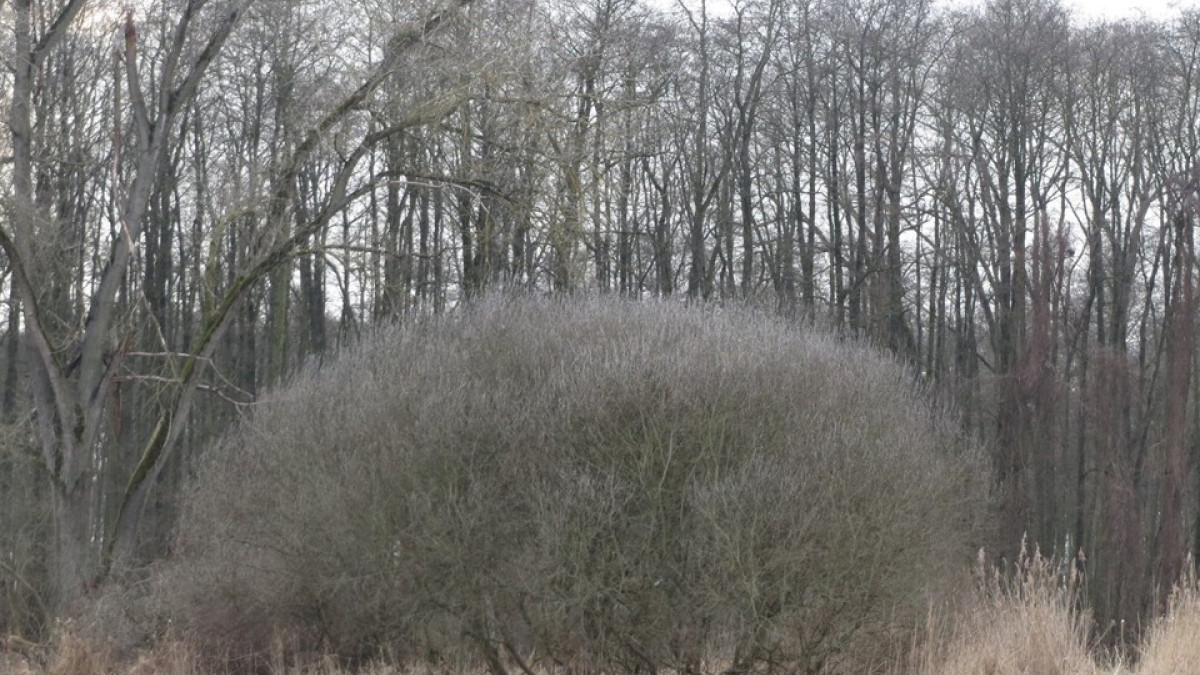
The bitter willow (Salix purpurea) is a plant in the willow family (Salicaceae). The species is native to large parts of Europe and western Asia. It is a shrub or tree that grows to a height of 2–6 m. The leaves are 2–8 × 1–2 cm in size. Unlike most other willow species, the leaves are often opposite rather than alternate. The leaves are widest just below the tip and blue-green on the underside.
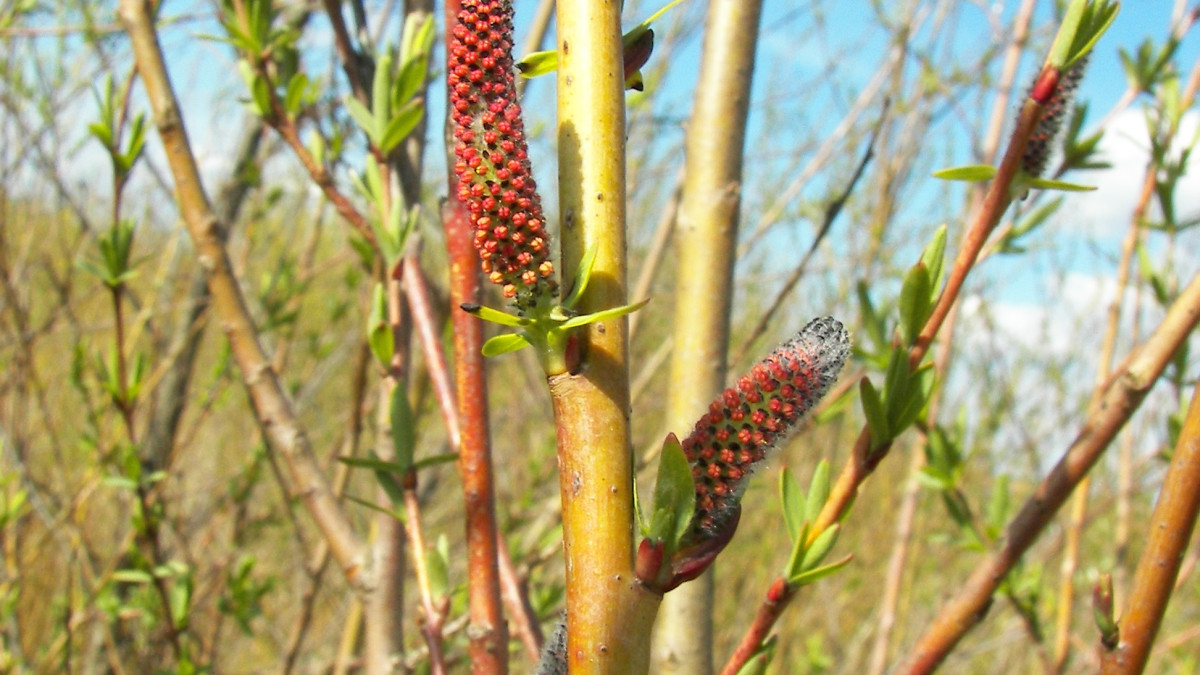
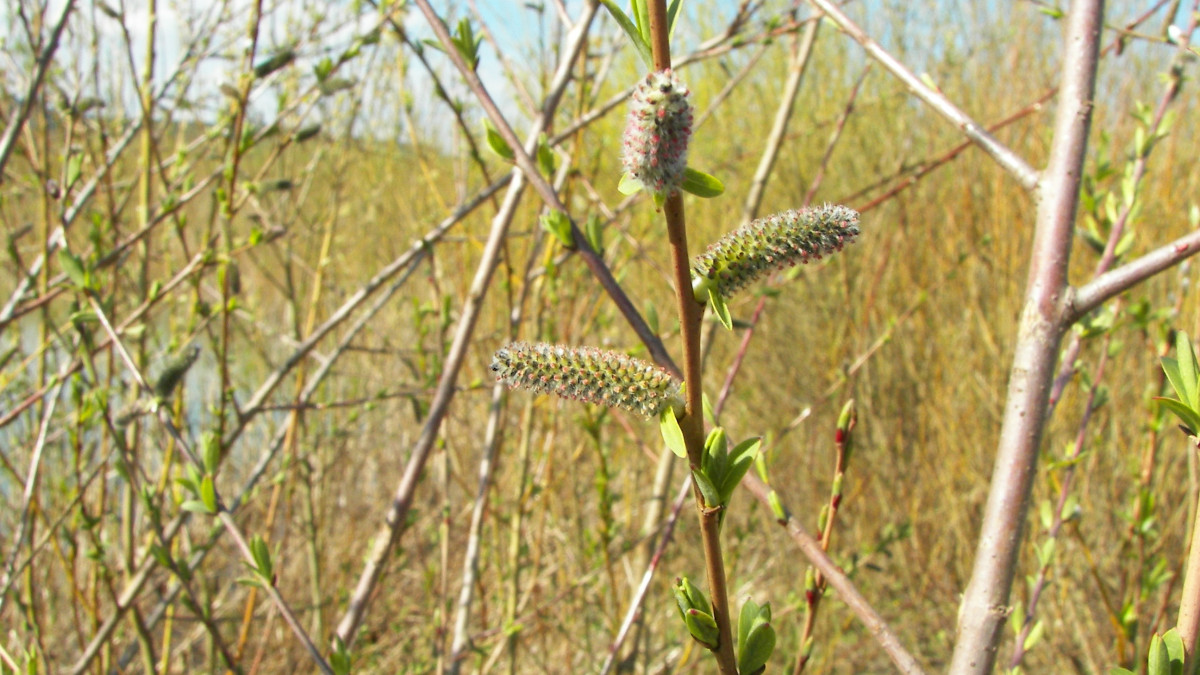
The willow begins flowering in early spring, even before the leaves emerge, with pollen- and nectar-producing catkins that are purplish in color. This is an important food source for early-flying insects, as few flowers are in bloom at that time. These insects, in turn, attract birds looking for food. The catkins of most other species are white, yellow, or green.
The sap of the bark and leaves is bitter, which is a reason why some animals avoid eating the species.
Characteristics
How to plant a Purple Willow / Osier
Plant the cuttings 30-40 cm deep in the soil. Another option is to first allow the cuttings to root in water and then plant them.
How to harvest a Purple Willow / Osier
Prune and/or saw off existing shrubs. Preferably with a slanted edge.
Caring for and pruning your Purple Willow / Osier
The tree/shrub remains relatively small and can therefore generally be left alone. The willow can be pruned back completely every year to keep it small.
Where does a Purple Willow / Osier grow
Bitter willows grow best in sunny locations on moist to fairly wet, moderately nutrient-rich, calcareous, and often humus-poor soil (sand, loam, stony soil, and clay).
They are most common in forests (willow groves and swamp forests), forest edges, waterfronts (riverbanks, including gravel beds along the Meuse River), wet scrub, excavations (sand and clay quarries), floodplains, and sea dunes (wet dune slacks).
Bitter willow is a calcareous species. Its most natural habitat is found on the gravel beds of the Meuse River. Along other rivers, it is often unclear whether the species occurs naturally. Bitter willow may have been transported in some places with limestone blocks incorporated into the bank revetments. Bitter willows have been found in several locations along the Scheldt River along sections without bank protection (Oude Schelde, Bornem) or in places where the species has been known for over 100 years (Heusden). Here and there, bitter willow grows in swampy woods where limestone is present. These too may be natural habitats. However, the vast majority of bitter willows are relics of former willow-growing areas.
General
| Origin |
Native
|
| Tree Type | Deciduous tree |
Length and Age
| Length in about 10 years | 1 Up to 3 Meter |
| Reproductive Maturity in How Many Years | 10 Up to 20 year |
| Maximum Age | 40 Up to 100 year |
| Required Space | Up to m2 |
| Growth Rate |
Reproduction
| Tree is Self-Pollinating | No |
| Reproduction Method |
To cut (cutting is between 5 and 50 cm)
To be pollarded (the slit is approximately 2m)
Makes seedlings
|
| Reproduction rate |
|
Reproduction rate
| 1. Very low reproduction rate. The plant hardly spreads, has few seeds or vegetative spread (e.g., trees with heavy seeds). |
| 2. Low reproduction rate. Spread via limited seed production or specific conditions required |
| 3. Average reproduction rate. Regular spread, depending on wind, water, or animals, at a moderate speed (e.g., dandelion). |
| 4. High reproduction rate. Many seeds and multiple spread strategies (wind, birds, vegetative). Quickly colonizes open spaces |
| 5. Very high reproduction rate. Invasive species that spread explosively over large distances (e.g., Japanese knotweed). |
Pruning Period
| This Tree is Evergreen | No |
| Summer | June tot July |
| Winter | November tot February |
| Leaf Shapes | Lanceolate |
| Easy to prune | No |
Bark Characteristics Seedling (50-200cm)
| Lenticels | Yes |
| Colour |
Bud Characteristics Seedling (50-200cm)
| Colour | |
| Bud Position |
Opposite
|
| Bud Shape |
Round
|
Other
| Root | Information not available |
| Bloom |
Has catkins
|
| Wind sensitivity | Not sensitive to (sea) wind |
Diseases
| Sensitive to the Following Diseases |
Watermark disease (Willow)
|
Harvest/recognition in winter
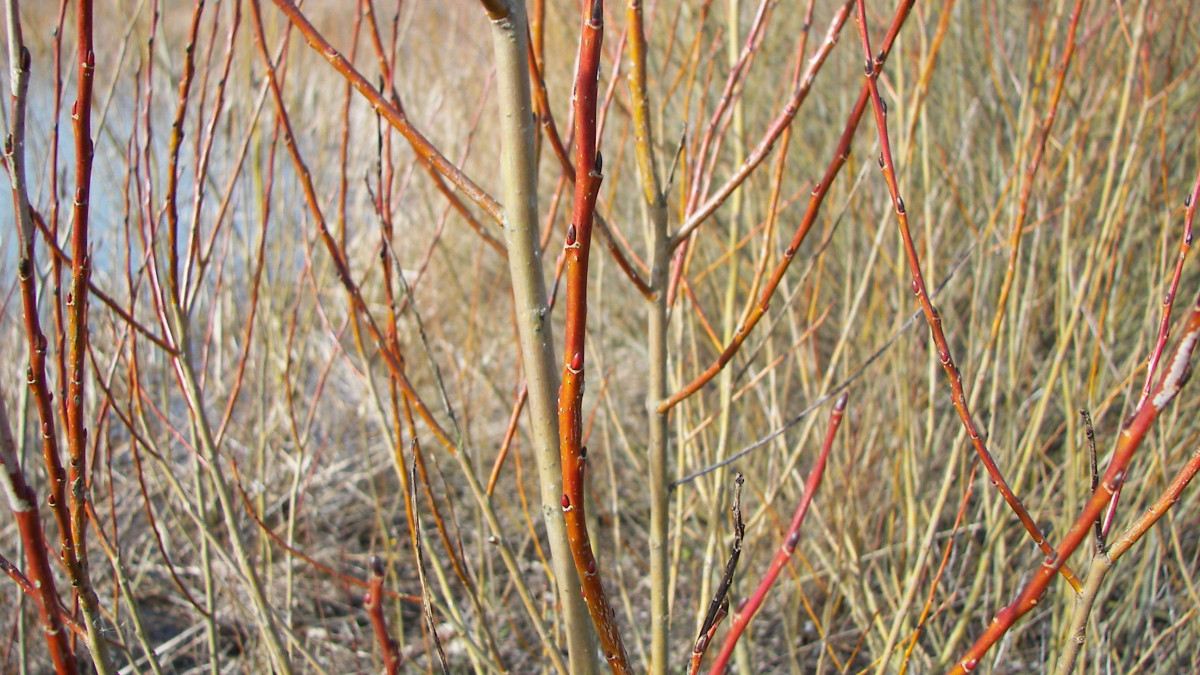
Purplish catkins in early spring, purple/red buds in winter, reddish-brown twigs.
Light requirement of the Purple Willow / Osier
Suitable soil types for the Purple Willow / Osier
| Soil type | Suitability |
|---|---|
| light clay |
|
| heavy clay |
|
| sand |
|
| peatland |
|
| Loam |
|
| Moerig op zand |
|
| Lichte zavel |
|
| Zware zavel |
|
Humidity
Suitable acidity level for the Purple Willow / Osier
Nutritional needs of the Purple Willow / Osier
| 1. | Very nutrient-poor soil |
| 2. | Very nutrient-poor to nutrient-poor soil |
| 3. | Nutrient-poor soil |
| 4. | Nutrient-poor to moderately nutrient-rich soil |
| 5. | Moderately nutrient-rich soil |
| 6. | Moderately nutrient-rich to nutrient-rich soil |
| 7. | Nutrient-rich soil |
| 8. | Extremely nutrient-rich soil |
| 9. | Very extremely nutrient-rich soil |
Humidity
| 1. | Extremely dry soils |
| 2. | Extremely dry to dry soils |
| 3. | Dry soils |
| 4. | Dry to dry/moist soils |
| 5. | Dry/moist soils |
| 6. | Dry/moist to moist soils |
| 7. | Moist soils |
| 8. | Moist to wet soils |
| 9. | Wet soils |
To be applied in landscapes
| Landscape | Suitability |
|---|---|
| Agroforestry |
|
| Hedge |
|
| Hedge |
|
| Forest |
|
| Feeding hedge |
|
| Back yard |
|
| Small back yard |
|
| Solitary |
|
| Wood wall |
|
Cultural-historical value
Insects
| How many insects typically live on this tree/plant? | 450 |
| Which insect groups live on this tree/plant? |
Bees
Hoverflies
Beetles
Wasps
Bumblebees
|
| Are there insects dependent on this species? | No |
| Which insect species are dependent on this tree/plant? |
Pontania viminalis
|
Birds
| Average number of birds per tree/plant? | |
| Which bird groups live on this tree/plant? |
common chiffchaffs
|
Mammals
| Average number of mammals per tree/plant? | |
| Which mammal groups live on this tree/plant? |
|
| Are there mammals dependent on this species? | No |
| Which mammal species are dependent on this tree/plant? |
Bloom Period
| Summer | April Up to May |
Tree Species
| Tree species that this tree prefers to grow with |
|
Suitable for mammals?
| Mammal | Suitability |
|---|---|
| Beavers |
|
| Badgers |
|
| Squirrel |
|
| Ferret |
|
| Goat |
|
| Herbivorous rodents |
|
| Deer |
|
| Dog |
|
| Cat |
|
| Chicken |
|
| Cow |
|
| Human |
|
| Mouse |
|
| Horse |
|
| Roe deer |
|
| Sheep |
|
| Pig |
|
| Foxes |
|
| Wild boar |
|
Explanation
Explanation
Edibility
- Toxic: This tree or shrub is toxic to mammals and absolutely unsuitable for consumption.
- Very unsuitable: This tree or shrub is unsuitable for consumption by mammals and can be harmful.
- Unsuitable: This tree or shrub is generally unsuitable for consumption by mammals and can have adverse effects.
- Moderately suitable: This tree or shrub is moderately suitable as food for mammals, possibly with certain risks or limitations.
- Suitable: This tree or shrub is generally suitable as food for mammals, with little to no risks.
- Very suitable: This tree or shrub is very suitable as food for mammals, safe, and of high nutritional value.
Trunk Height
Average Trunk Height (hg) of the basal area median tree
Information not available
Trunk Diameter
(dg) (1.30m) of the basal area median tree.
Information not available
Aboveground Biomass
in whole kgInformation not available
Belowground Biomass
in whole kgInformation not available
Substance Binder
| Which substances can be bound or absorbed? |
CO2
Particulate matter
|
Carbon Attraction (kf)
| (dg) (1.30m) of the basal area median tree | Deciduous Trees (Kf = 0,48) |
Warming Resistance
| This tree is well resistant to the warming (plus 3 degrees) of our climate and fits into the future of our climate (heat and drought resistant). | Yes |
CO2
| 0. | not filled in |
| 1. | no storage |
| 2. | low storage |
| 3. | moderate storage |
| 4. | high storage |
| 5. | very high storage |
Fine Dust
| 0. | not filled in |
| 1. | no capture capacity |
| 2. | low capture capacity |
| 3. | moderate capture capacity |
| 4. | high capture capacity |
| 5. | very high capture capacity |
This is what an adult tree Purple Willow / Osier looks like
This is what a Purple Willow / Osier in bloom looks like
This is what the leaf of a Purple Willow / Osier looks like