



European Aspen

General characteristics of a European Aspen
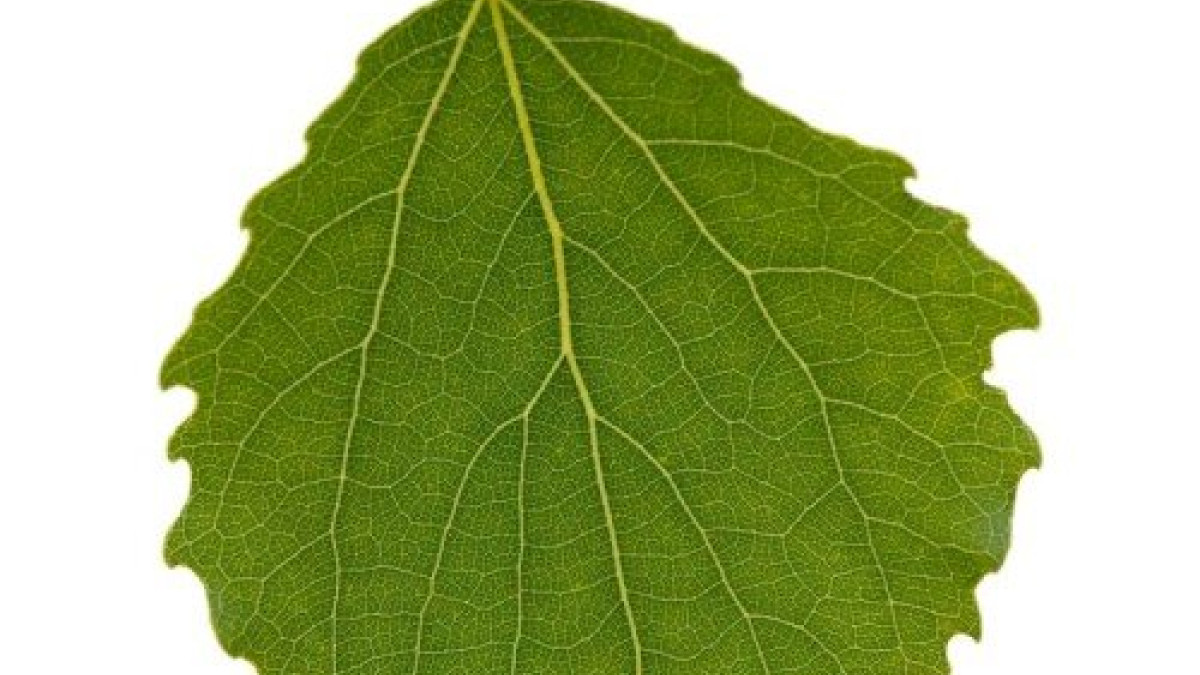
The aspen owes its name to the rattling sound made by its leaves. This is because the leaf stalk is flattened sideways across the surface of the leaf itself. As a result, even a slight breeze causes the leaves to vibrate and make a rattling sound.
During growth, aspen absorbs many basic minerals such as calcium and potassium, making the leaves relatively rich in bases and rapidly degradable. The species is therefore considered a rich litter species that promotes the nutrient pump of the soil and counteracts acidification.
Aspen trees have the highest associated biodiversity of all poplars. The leaves are an important food source for many animal species. The relatively high pH of the bark of the aspen tree makes the species attractive to many, often rare, lichens and insects. The soft bark also makes the tree attractive as a nesting tree for woodpeckers and as a food source for beavers. The aspen has a number of gall-forming species that are exclusively associated with aspen, such as the tremulae gall midge (Diplosis tremulae) and the poplar gall midge (Harmandiola globuli).
The aspen can cross with the silver poplar. The cross is known as the grey poplar (Populus canescens).
Characteristics
How to plant a European Aspen
Usually supplied as 1-3 m long “slieten” that root themselves; insert as deep as possible, 40-60 cm into the ground, preferably to soil moisture; and preferably from mid-February to the end of March. Less chance of taking root in November/December.
How to harvest a European Aspen
Collecting branches from (pollarded) trees.
Where does a European Aspen grow
Poplar trees grow in nutrient-poor to nutrient-rich, moderately dry to wet soils. They grow best in moist, loamy, fertile soils, but good growth is also observed in poor sandy soils. Wet clay and peat soils are unsuitable due to the lack of oxygen for the roots.
General
| Origin |
Native
|
| Tree Type | Deciduous tree |
Length and Age
| Length in about 10 years | 10 Up to 12 Meter |
| Reproductive Maturity in How Many Years | 12 Up to 15 year |
| Maximum Age | 60 Up to 100 year |
| Required Space | Up to m2 |
| Growth Rate |
Reproduction
| Tree is Self-Pollinating | No |
| Reproduction Method |
Makes root suckers
Makes seedlings
|
| Reproduction rate |
|
Reproduction rate
| 1. Very low reproduction rate. The plant hardly spreads, has few seeds or vegetative spread (e.g., trees with heavy seeds). |
| 2. Low reproduction rate. Spread via limited seed production or specific conditions required |
| 3. Average reproduction rate. Regular spread, depending on wind, water, or animals, at a moderate speed (e.g., dandelion). |
| 4. High reproduction rate. Many seeds and multiple spread strategies (wind, birds, vegetative). Quickly colonizes open spaces |
| 5. Very high reproduction rate. Invasive species that spread explosively over large distances (e.g., Japanese knotweed). |
Pruning Period
| This Tree is Evergreen | No |
| Summer | No pruning in summer |
| Winter | October tot February |
| Leaf Shapes | Egg-shaped |
| Easy to prune | No |
Bark Characteristics Seedling (50-200cm)
| Lenticels | Yes |
| Colour |
Bud Characteristics Seedling (50-200cm)
| Colour | |
| Bud Position |
Varied
|
| Bud Shape |
Pointed
|
Other
| Root |
Superficial rooting
|
| Bloom |
Has catkins
|
| Wind sensitivity | Not sensitive to (sea) wind |
Diseases
| Sensitive to the Following Diseases | Information not available |
Harvest/recognition in winter
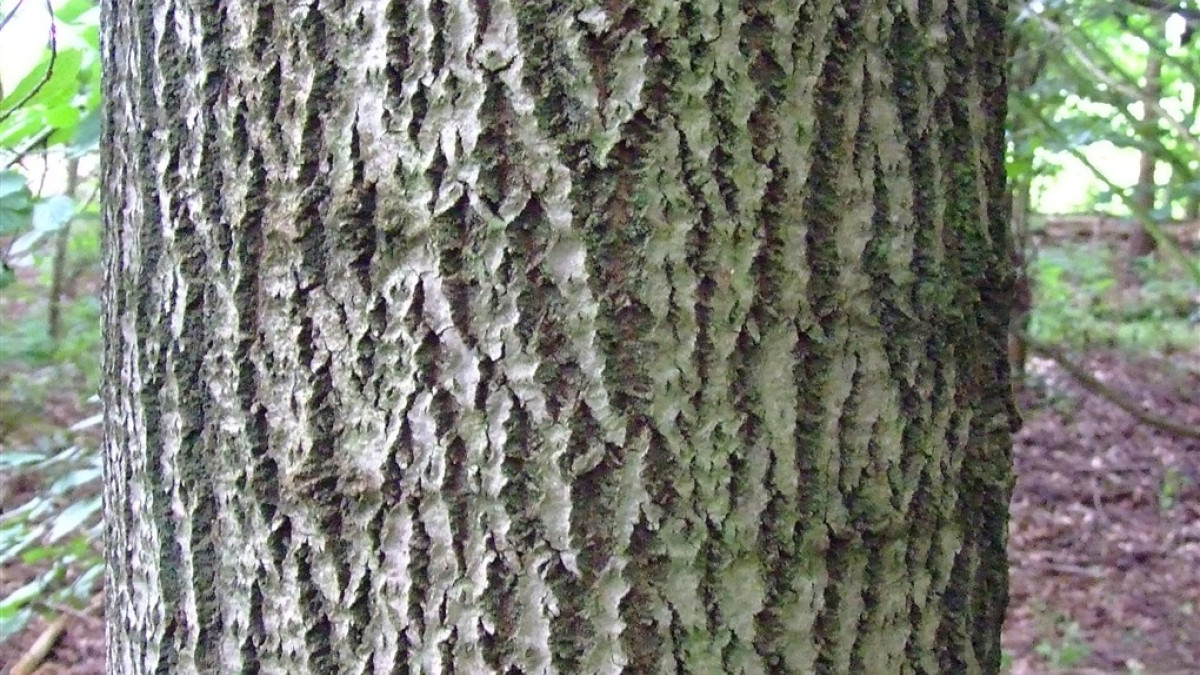
The young bark is smooth and yellow-brown with large diamond-shaped lenticels. As it ages, the bark develops longitudinal grooves and turns dark grey or, in some cases, white.
The young twigs are copper brown and reddish in colour until May. The twigs are round and hairless. The pointed, almost bare, yellow to dark brown buds are slightly sticky.
Light requirement of the European Aspen
Suitable soil types for the European Aspen
| Soil type | Suitability |
|---|---|
| light clay |
|
| heavy clay |
|
| sand |
|
| peatland |
|
| Loam |
|
| Moerig op zand |
|
| Lichte zavel |
|
| Zware zavel |
|
Humidity
Suitable acidity level for the European Aspen
Nutritional needs of the European Aspen
| 1. | Very nutrient-poor soil |
| 2. | Very nutrient-poor to nutrient-poor soil |
| 3. | Nutrient-poor soil |
| 4. | Nutrient-poor to moderately nutrient-rich soil |
| 5. | Moderately nutrient-rich soil |
| 6. | Moderately nutrient-rich to nutrient-rich soil |
| 7. | Nutrient-rich soil |
| 8. | Extremely nutrient-rich soil |
| 9. | Very extremely nutrient-rich soil |
Humidity
| 1. | Extremely dry soils |
| 2. | Extremely dry to dry soils |
| 3. | Dry soils |
| 4. | Dry to dry/moist soils |
| 5. | Dry/moist soils |
| 6. | Dry/moist to moist soils |
| 7. | Moist soils |
| 8. | Moist to wet soils |
| 9. | Wet soils |
To be applied in landscapes
| Landscape | Suitability |
|---|---|
| Agroforestry |
|
| Hedge |
|
| Hedge |
|
| Forest |
|
| Feeding hedge |
|
| Back yard |
|
| Small back yard |
|
| Solitary |
|
| Wood wall |
|
Cultural-historical value
Insects
| How many insects typically live on this tree/plant? | 88 |
| Which insect groups live on this tree/plant? |
Butterflies
Mosquitoes
|
| Are there insects dependent on this species? | No |
| Which insect species are dependent on this tree/plant? |
Harmandiola globuli
Cecidomyiidae
Purple Emperor
Lesser Purple Emperor
Poplar Admiral
|
Birds
| Average number of birds per tree/plant? | |
| Which bird groups live on this tree/plant? |
Woodpeckers
|
Mammals
| Average number of mammals per tree/plant? | |
| Which mammal groups live on this tree/plant? |
Beavers
|
| Are there mammals dependent on this species? | No |
| Which mammal species are dependent on this tree/plant? |
Bloom Period
| Summer | March Up to April |
Tree Species
| Tree species that this tree prefers to grow with |
|
Suitable for mammals?
| Mammal | Suitability |
|---|---|
| Badgers |
|
| Squirrel |
|
| Ferret |
|
| Goat |
|
| Herbivorous rodents |
|
| Deer |
|
| Dog |
|
| Cat |
|
| Chicken |
|
| Cow |
|
| Human |
|
| Mouse |
|
| Horse |
|
| Roe deer |
|
| Sheep |
|
| Pig |
|
| Foxes |
|
| Wild boar |
|
| Beavers |
|
Explanation
Explanation
Edibility
- Toxic: This tree or shrub is toxic to mammals and absolutely unsuitable for consumption.
- Very unsuitable: This tree or shrub is unsuitable for consumption by mammals and can be harmful.
- Unsuitable: This tree or shrub is generally unsuitable for consumption by mammals and can have adverse effects.
- Moderately suitable: This tree or shrub is moderately suitable as food for mammals, possibly with certain risks or limitations.
- Suitable: This tree or shrub is generally suitable as food for mammals, with little to no risks.
- Very suitable: This tree or shrub is very suitable as food for mammals, safe, and of high nutritional value.
Trunk Height
Average Trunk Height (hg) of the basal area median tree
Information not available
Trunk Diameter
(dg) (1.30m) of the basal area median tree.
Information not available
Aboveground Biomass
in whole kgInformation not available
Belowground Biomass
in whole kgInformation not available
Substance Binder
| Which substances can be bound or absorbed? |
CO2
Particulate matter
|
Carbon Attraction (kf)
| (dg) (1.30m) of the basal area median tree | Deciduous Trees (Kf = 0,48) |
Warming Resistance
| This tree is well resistant to the warming (plus 3 degrees) of our climate and fits into the future of our climate (heat and drought resistant). | Yes |
CO2
| 0. | not filled in |
| 1. | no storage |
| 2. | low storage |
| 3. | moderate storage |
| 4. | high storage |
| 5. | very high storage |
Fine Dust
| 0. | not filled in |
| 1. | no capture capacity |
| 2. | low capture capacity |
| 3. | moderate capture capacity |
| 4. | high capture capacity |
| 5. | very high capture capacity |
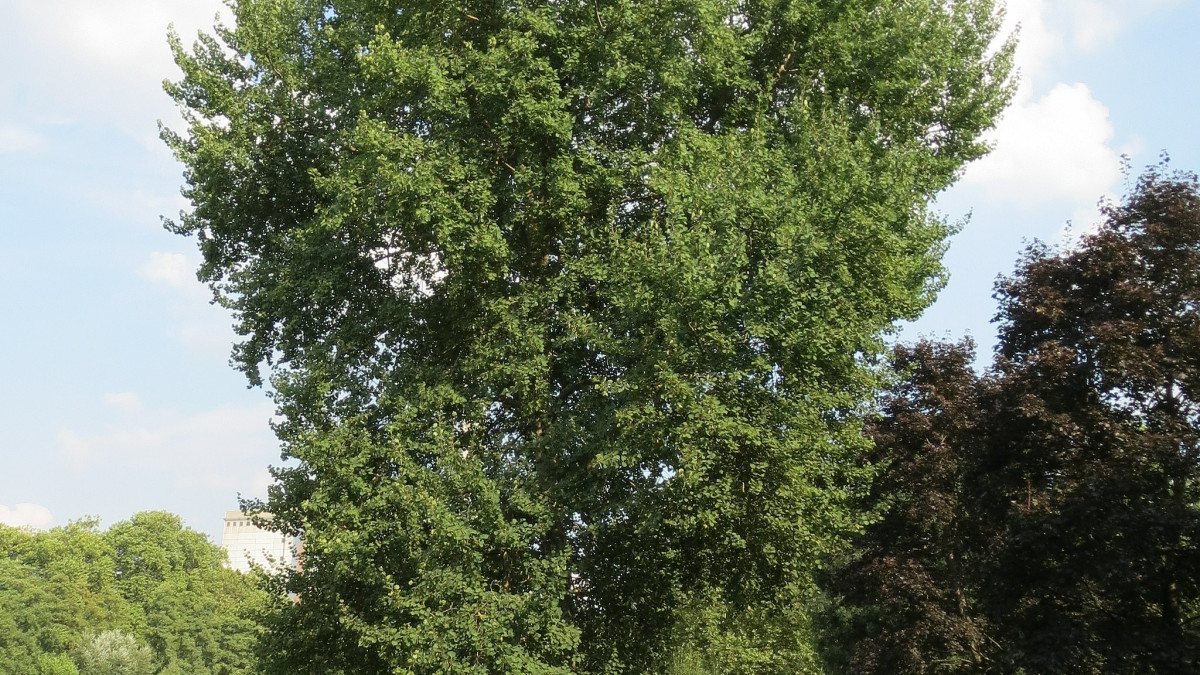
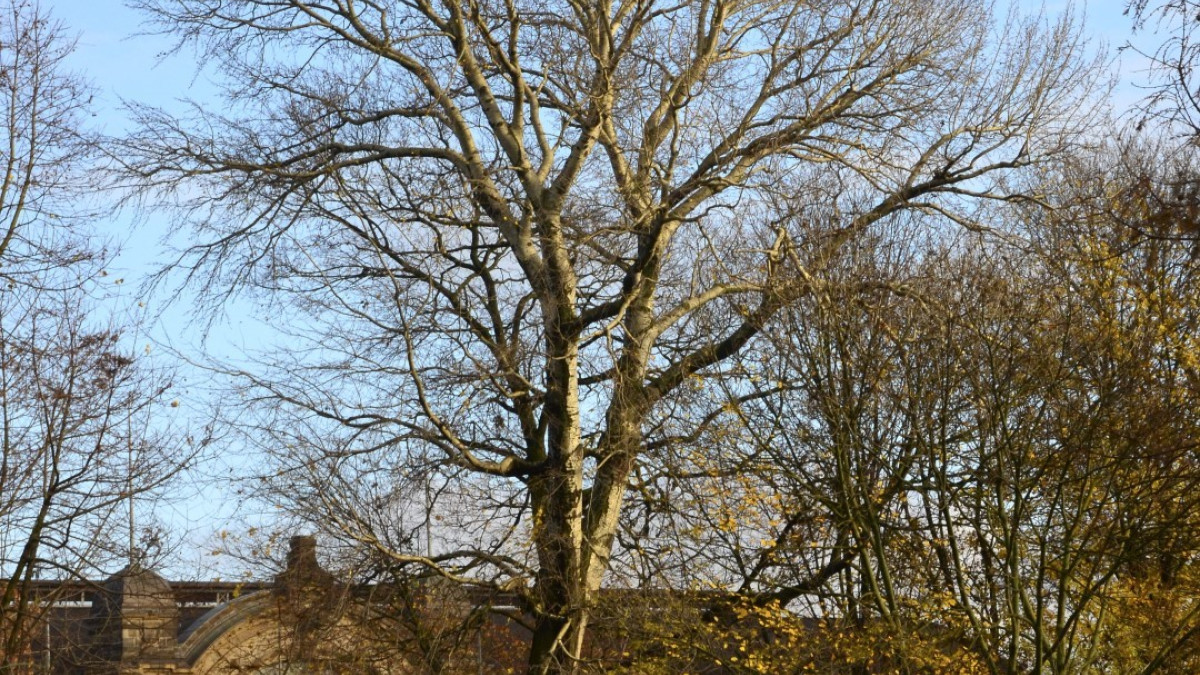
This is what an adult tree European Aspen looks like
This is what a European Aspen in bloom looks like
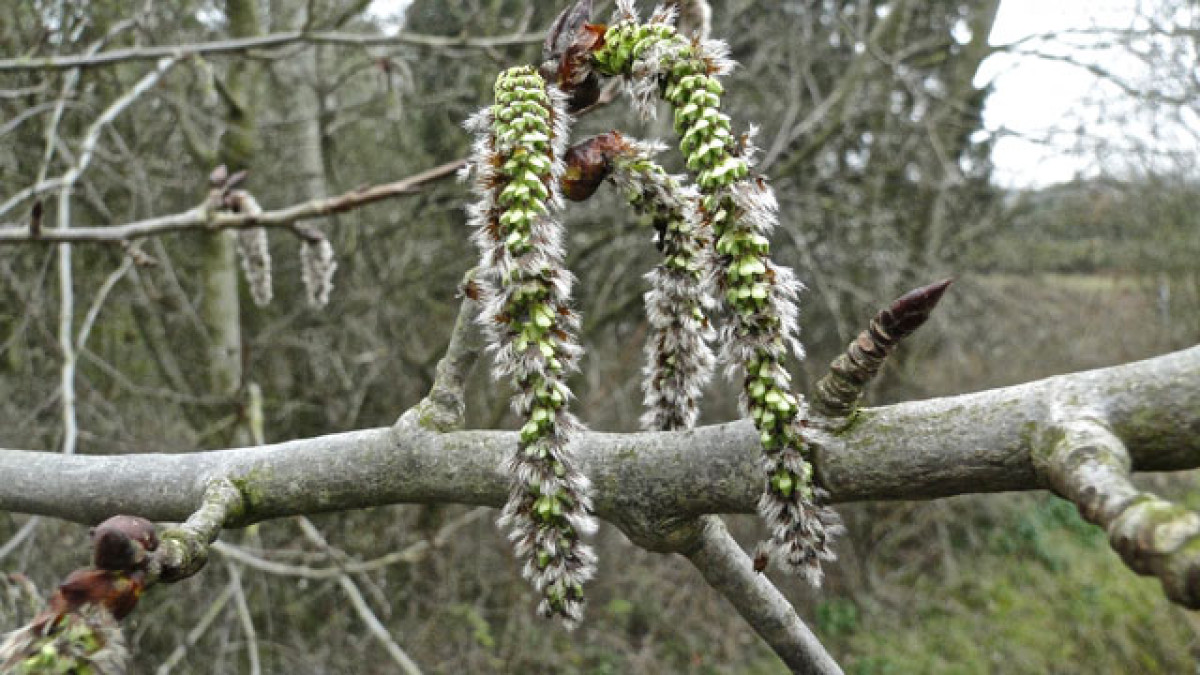
This is what the bud of a European Aspen looks like
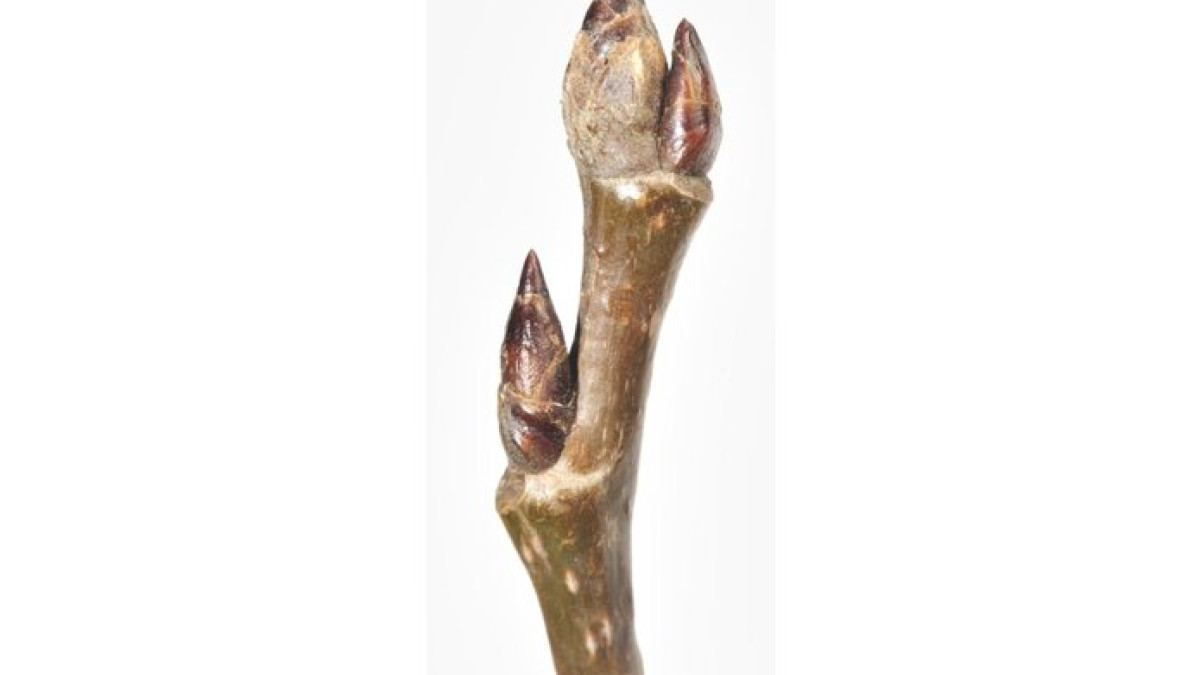
This is what the leaf of a European Aspen looks like