



Birch (mix)

General characteristics of a Birch (mix)
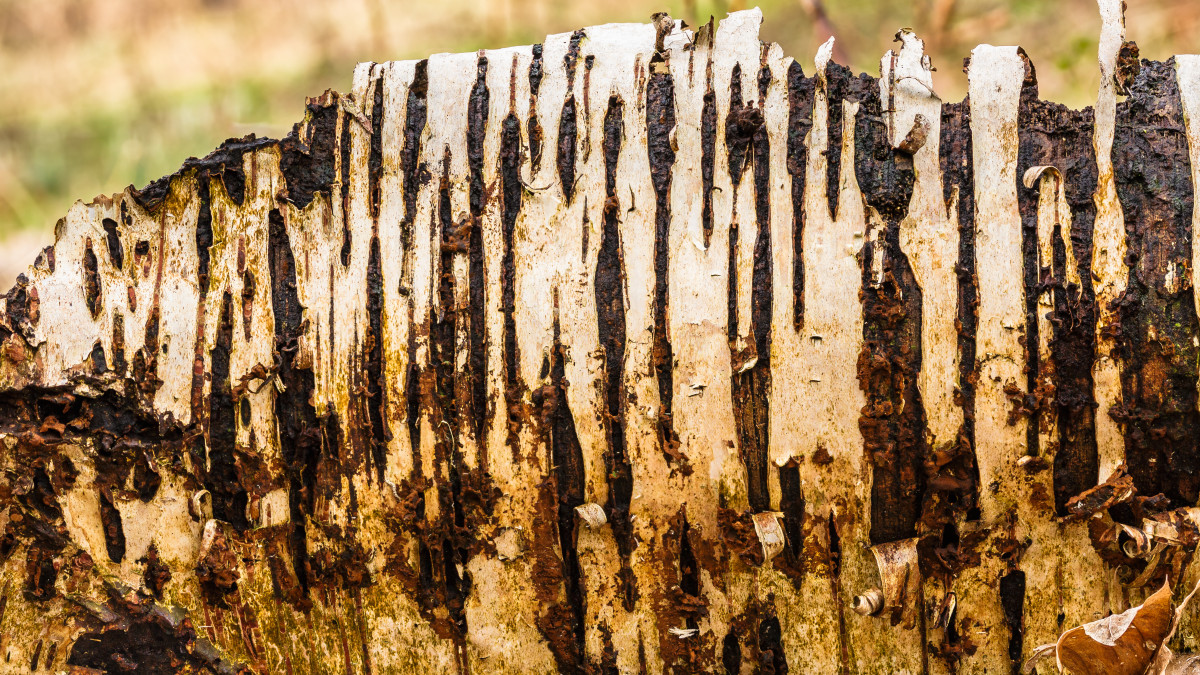
Berken zijn snelgroeiende bomen met opgaande of hangende takken, in het voorjaar met lange, hangende katjes, lichtgroen blad en meestal witte bast. Is onmiddellijk te herkennen aan de bijzondere bast die vaak afschilferd. Krijgt een mooie herfstkleur.
Zachte berk, Bétula pubéscens, herken je aan een aantal eigenschappen ten opzichte van de Ruwe berk, die je samen moet bekijken. Een heel goed kenmerk is dat bij de bladeren van de Zachte berk aan de onderzijde een beharing blijft bestaan in de oksels tussen de hoofdnerf en de zijnerven. Verder is de stam van een oudere boom duidelijk minder ruw en "brokkelig" dan bij de Ruwe berk en de takken en twijgen hebben veel meer de neiging om naar boven te wijzen en niet naar beneden door te hangen.
De jonge blaadjes zijn eetbaar, je kunt er onder andere thee van zetten.
Characteristics
How to plant a Birch (mix)
Graaf een plantgat dat 1,5 x zo breed is als het wortelstelsel; zorg dat de wortels bedekt zijn met aarde; niet dieper planten dan tot waar de stam begint. Wortels minstens 10 cm onder de grond
How to harvest a Birch (mix)
Zeer makkelijke uitzaaier
Caring for and pruning your Birch (mix)
De boom kan gesnoeid worden maar niet na 31 december door kan op doodbloeding
Where does a Birch (mix) grow
Ruwe berk of Betula pendula is een in Nederland zeer veel voorkomende boomsoort die te vinden is in vrijwel alle loofbossen op voedselarme bodem. Bij voorkeur groeit de berk in moerassige streken, maar hij stelt weinig eisen aan zijn omgeving en komt dus in alle milieus en grondsoorten voor.
General
| Origin |
Native
|
| Tree Type | Deciduous tree |
Length and Age
| Length in about 10 years | 5 Up to 15 Meter |
| Reproductive Maturity in How Many Years | 10 Up to 50 year |
| Maximum Age | 60 Up to 100 year |
| Required Space | 9 Up to 12m2 |
| Growth Rate |
Reproduction
| Tree is Self-Pollinating | No |
| Reproduction Method |
Makes seedlings
|
| Reproduction rate |
|
Reproduction rate
| 1. Very low reproduction rate. The plant hardly spreads, has few seeds or vegetative spread (e.g., trees with heavy seeds). |
| 2. Low reproduction rate. Spread via limited seed production or specific conditions required |
| 3. Average reproduction rate. Regular spread, depending on wind, water, or animals, at a moderate speed (e.g., dandelion). |
| 4. High reproduction rate. Many seeds and multiple spread strategies (wind, birds, vegetative). Quickly colonizes open spaces |
| 5. Very high reproduction rate. Invasive species that spread explosively over large distances (e.g., Japanese knotweed). |
Pruning Period
| This Tree is Evergreen | No |
| Summer | June tot July |
| Winter | November tot December |
| Leaf Shapes | Diamond-shaped |
| Easy to prune | Yes |
Bark Characteristics Seedling (50-200cm)
| Lenticels | Yes |
| Colour |
Bud Characteristics Seedling (50-200cm)
| Colour | |
| Bud Position |
Spread out
|
| Bud Shape |
Fusiform
|
Other
| Root |
Broad root system
|
| Bloom |
Has catkins
|
| Wind sensitivity | Not sensitive to (sea) wind |
Diseases
| Sensitive to the Following Diseases |
Archips betulana
Berkenbeteeltor
|
Harvest/recognition in winter
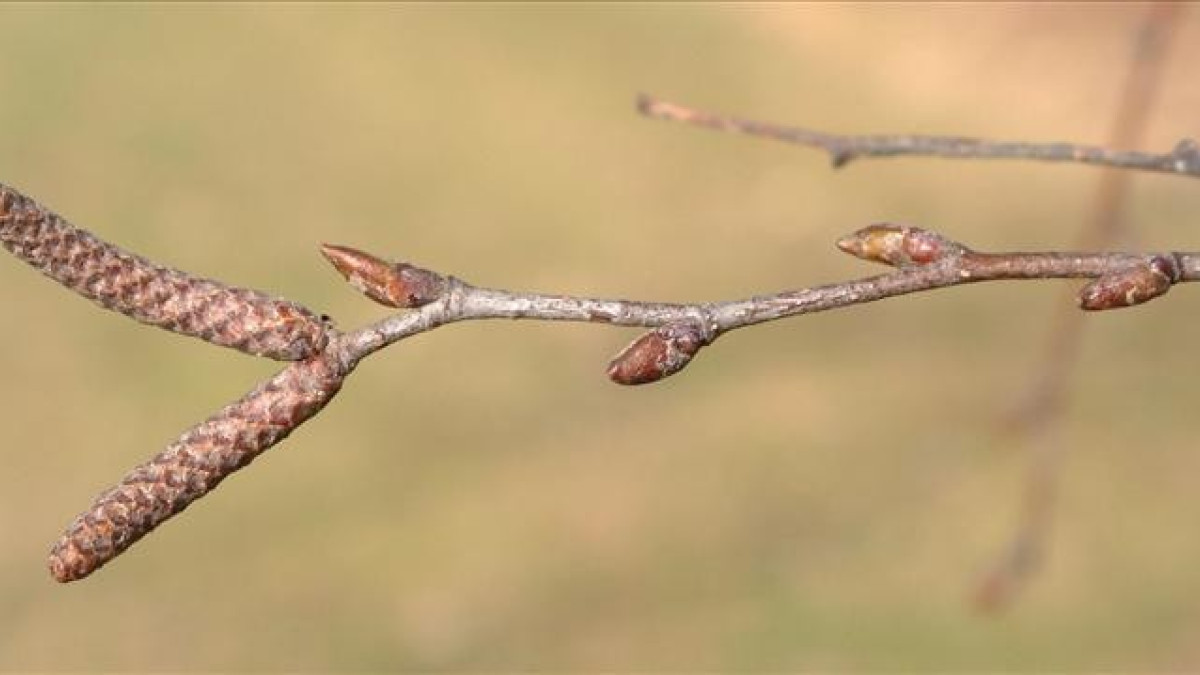
Dunne takken en zaailingen hebben bruine bast. Bast wordt witter als ouder wordt.
Light requirement of the Birch (mix)
Suitable soil types for the Birch (mix)
| Soil type | Suitability |
|---|---|
| light clay |
|
| heavy clay |
|
| sand |
|
| peatland |
|
| Loam |
|
| Moerig op zand |
|
| Lichte zavel |
|
| Zware zavel |
|
Humidity
Suitable acidity level for the Birch (mix)
Nutritional needs of the Birch (mix)
| 1. | Very nutrient-poor soil |
| 2. | Very nutrient-poor to nutrient-poor soil |
| 3. | Nutrient-poor soil |
| 4. | Nutrient-poor to moderately nutrient-rich soil |
| 5. | Moderately nutrient-rich soil |
| 6. | Moderately nutrient-rich to nutrient-rich soil |
| 7. | Nutrient-rich soil |
| 8. | Extremely nutrient-rich soil |
| 9. | Very extremely nutrient-rich soil |
Humidity
| 1. | Extremely dry soils |
| 2. | Extremely dry to dry soils |
| 3. | Dry soils |
| 4. | Dry to dry/moist soils |
| 5. | Dry/moist soils |
| 6. | Dry/moist to moist soils |
| 7. | Moist soils |
| 8. | Moist to wet soils |
| 9. | Wet soils |
To be applied in landscapes
| Landscape | Suitability |
|---|---|
| Agroforestry |
|
| Hedge |
|
| Hedge |
|
| Forest |
|
| Feeding hedge |
|
| Back yard |
|
| Small back yard |
|
| Solitary |
|
| Wood wall |
|
Cultural-historical value
Insects
| How many insects typically live on this tree/plant? | 334 |
| Which insect groups live on this tree/plant? |
|
| Are there insects dependent on this species? | No |
| Which insect species are dependent on this tree/plant? |
Birds
| Average number of birds per tree/plant? | |
| Which bird groups live on this tree/plant? |
|
Mammals
| Average number of mammals per tree/plant? | |
| Which mammal groups live on this tree/plant? |
|
| Are there mammals dependent on this species? | No |
| Which mammal species are dependent on this tree/plant? |
Bloom Period
| Summer | March Up to May |
Tree Species
| Tree species that this tree prefers to grow with |
|
Suitable for mammals?
| Mammal | Suitability |
|---|---|
| Horse |
|
| Human |
|
| Goat |
|
| Herbivorous rodents |
|
| Cow |
|
| Chicken |
|
| Sheep |
|
| Pig |
|
| Foxes |
|
| Wild boar |
|
| Deer |
|
| Roe deer |
|
| Mouse |
|
| Cat |
|
| Dog |
|
| Ferret |
|
| Squirrel |
|
| Badgers |
|
| Beavers |
|
Explanation
Explanation
Edibility
- Toxic: This tree or shrub is toxic to mammals and absolutely unsuitable for consumption.
- Very unsuitable: This tree or shrub is unsuitable for consumption by mammals and can be harmful.
- Unsuitable: This tree or shrub is generally unsuitable for consumption by mammals and can have adverse effects.
- Moderately suitable: This tree or shrub is moderately suitable as food for mammals, possibly with certain risks or limitations.
- Suitable: This tree or shrub is generally suitable as food for mammals, with little to no risks.
- Very suitable: This tree or shrub is very suitable as food for mammals, safe, and of high nutritional value.
Trunk Height
Average Trunk Height (hg) of the basal area median tree
Information not available
Trunk Diameter
(dg) (1.30m) of the basal area median tree.
Information not available
Aboveground Biomass
in whole kgInformation not available
Belowground Biomass
in whole kgInformation not available
Substance Binder
| Which substances can be bound or absorbed? |
CO2
Particulate matter
|
Carbon Attraction (kf)
| (dg) (1.30m) of the basal area median tree | Deciduous Trees (Kf = 0,48) |
Warming Resistance
| This tree is well resistant to the warming (plus 3 degrees) of our climate and fits into the future of our climate (heat and drought resistant). | Yes |
CO2
| 0. | not filled in |
| 1. | no storage |
| 2. | low storage |
| 3. | moderate storage |
| 4. | high storage |
| 5. | very high storage |
Fine Dust
| 0. | not filled in |
| 1. | no capture capacity |
| 2. | low capture capacity |
| 3. | moderate capture capacity |
| 4. | high capture capacity |
| 5. | very high capture capacity |
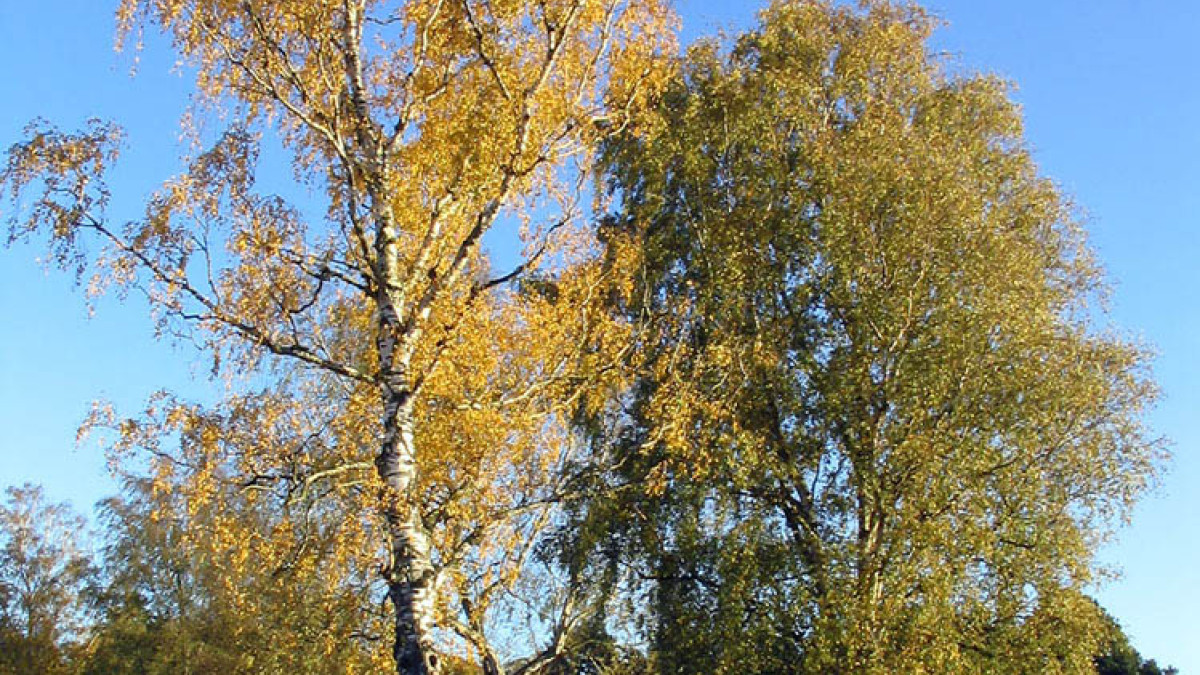
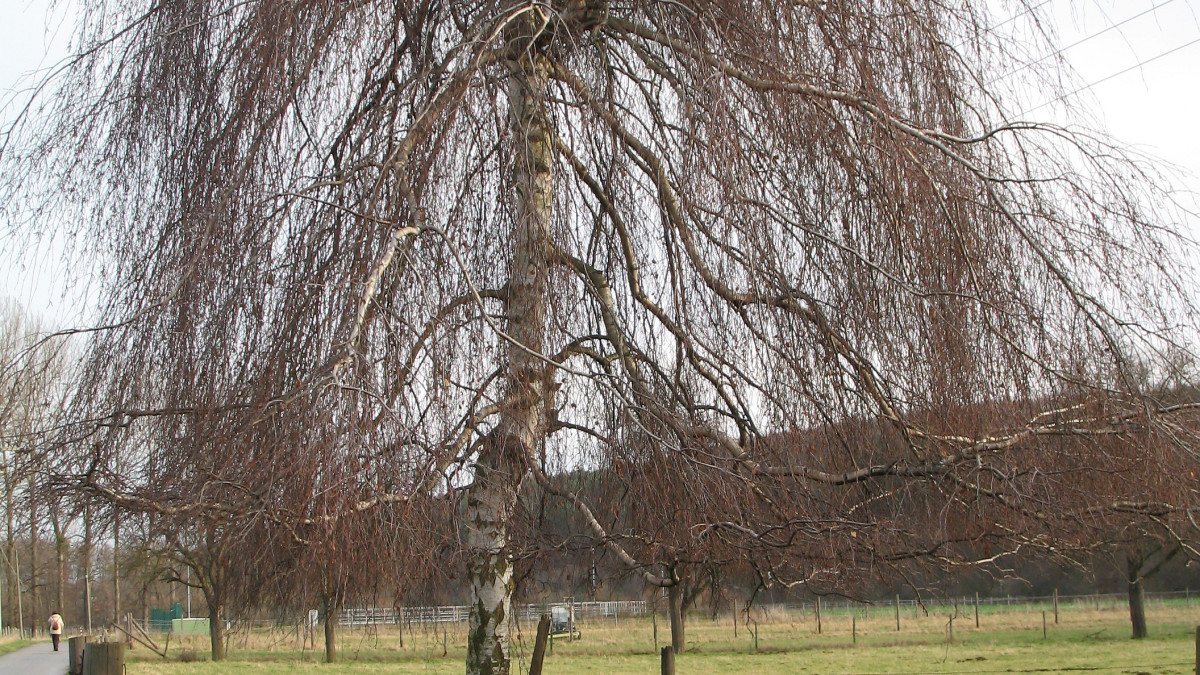
This is what an adult tree Birch (mix) looks like
This is what the bud of a Birch (mix) looks like