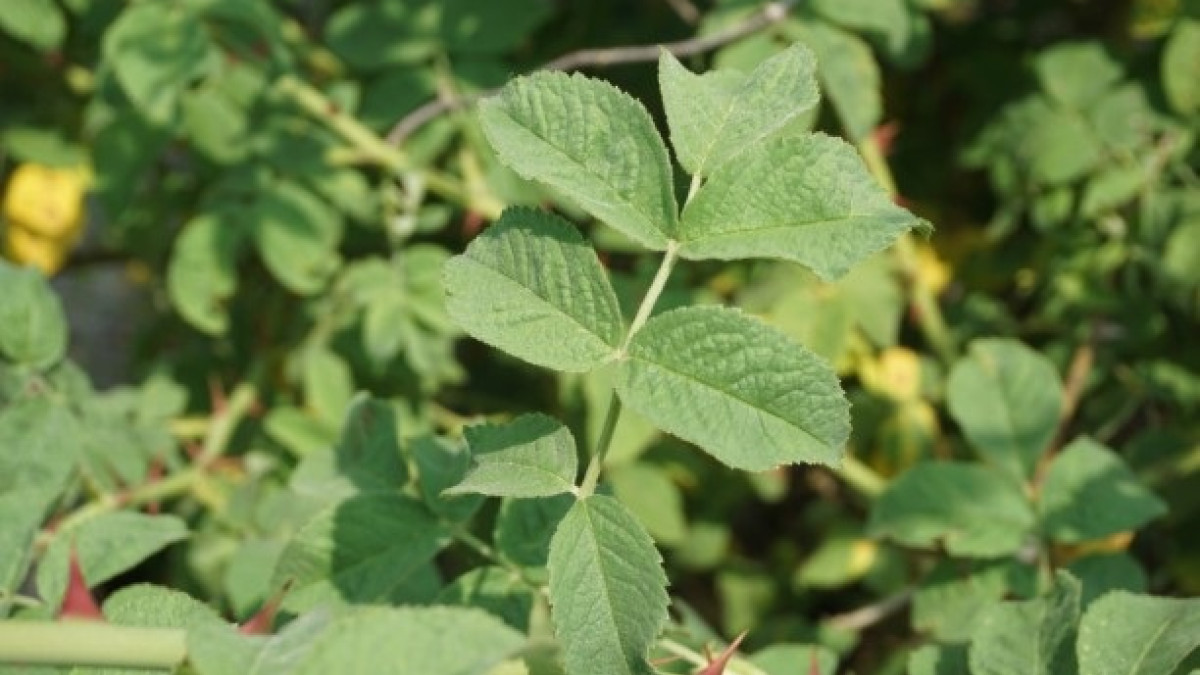




Apple rose, shaggy rose, villous rose

General characteristics of a Apple rose, shaggy rose, villous rose
De viltroos of bottelroos (Rosa villosa of Rosa tomentosa) is een struik die behoort tot de rozenfamilie (Rosaceae). Door sommigen worden de viltroos (Rosa villosa) en bottelroos s.s. (Rosa tomentosa) als aparte soorten beschouwd, waarbij de bottelroos al vanaf mei bloeit. De viltroos staat op de Nederlandse Rode lijst van planten als zeldzaam en sterk afgenomen en de bottelroos s.s. als zeer zeldzaam en sterk afgenomen
Characteristics
How to plant a Apple rose, shaggy rose, villous rose
Graag een plantgat van ongeveer 1/3 breder en dieper dan de wortels. Zet de plant erin. De viltroos pas goed in een heggenconstructie, maar is ook een leuke struik op zichzelf.
How to harvest a Apple rose, shaggy rose, villous rose
Deze soort wordt niet/nauwelijks geoogst.
Caring for and pruning your Apple rose, shaggy rose, villous rose
De viltroos (Rosa tomentosa) is een onderhoudsarme wilde roos, maar goed onderhoud bevordert groei en bloei. Plant hem op een zonnige, goed doorlatende plek. Snoei licht in winter of vroege lente: verwijder oude, zieke of beschadigde takken en dun de struik uit voor luchtcirculatie. Viltroos verdraagt droogte, maar bij langdurige droogte is extra water geven nuttig, vooral bij jonge planten. Mulchen met organisch materiaal houdt de bodem vochtig en voedzaam. Bemesten kan met een lichte organische mest in het voorjaar. Controleer regelmatig op plagen en ziekten; over het algemeen is viltroos vrij robuust.
General
| Origin |
Native
|
| Tree Type | Shrub |
Length and Age
| Length in about 10 years | 1 Up to 3 Meter |
| Reproductive Maturity in How Many Years | 2 Up to 4 year |
| Maximum Age | 20 Up to 40 year |
| Required Space | 1 Up to 2m2 |
| Growth Rate |
Reproduction
| Tree is Self-Pollinating | No |
| Reproduction Method | |
| Reproduction rate |
|
Reproduction rate
| 1. Very low reproduction rate. The plant hardly spreads, has few seeds or vegetative spread (e.g., trees with heavy seeds). |
| 2. Low reproduction rate. Spread via limited seed production or specific conditions required |
| 3. Average reproduction rate. Regular spread, depending on wind, water, or animals, at a moderate speed (e.g., dandelion). |
| 4. High reproduction rate. Many seeds and multiple spread strategies (wind, birds, vegetative). Quickly colonizes open spaces |
| 5. Very high reproduction rate. Invasive species that spread explosively over large distances (e.g., Japanese knotweed). |
Pruning Period
| This Tree is Evergreen | No |
| Summer | No pruning in summer |
| Winter | January tot February |
| Leaf Shapes | Circle round |
| Easy to prune | No |
Bark Characteristics Seedling (50-200cm)
| Colour |
Bud Characteristics Seedling (50-200cm)
| Colour | |
| Bud Position |
Standing upright
Varied
|
| Bud Shape |
Oval
|
Other
| Root | Information not available |
| Bloom | Information not available |
| Wind sensitivity |
Diseases
| Sensitive to the Following Diseases | Information not available |
Harvest/recognition in winter
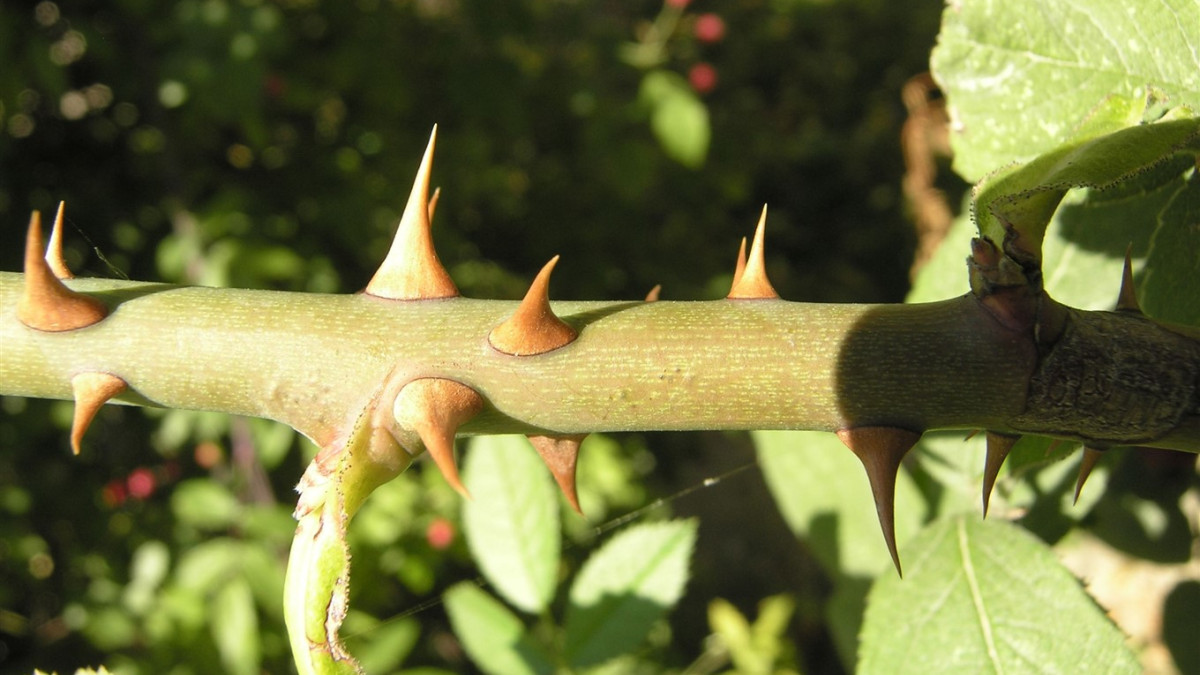
In de winter is de viltroos (Rosa tomentosa) te herkennen aan de dikke, viltig behaarde takken met een grijsgroene tot bruingrijze kleur. De doorns zijn groot, gebogen en vaak roodbruin. De knoppen staan afwisselend in de bladoksels, zijn ovaal en viltig, met duidelijk zichtbare sepalen. Soms blijven de roze tot oranje-rode bottels van vorig jaar aan de struik hangen, vaak gedroogd maar nog zichtbaar. De struik heeft een open, verspreide groeiwijze, vaak op zonnige plekken of bosranden. Zelfs zonder bladeren en bloemen zijn de karakteristieke beharing, doorns en knoppen onderscheidend in het winterlandschap.
Light requirement of the Apple rose, shaggy rose, villous rose
Suitable soil types for the Apple rose, shaggy rose, villous rose
| Soil type | Suitability |
|---|---|
| light clay |
|
| heavy clay |
|
| sand |
|
| peatland |
|
| Loam |
|
| Moerig op zand |
|
| Lichte zavel |
|
| Zware zavel |
|
Humidity
Suitable acidity level for the Apple rose, shaggy rose, villous rose
Nutritional needs of the Apple rose, shaggy rose, villous rose
| 1. | Very nutrient-poor soil |
| 2. | Very nutrient-poor to nutrient-poor soil |
| 3. | Nutrient-poor soil |
| 4. | Nutrient-poor to moderately nutrient-rich soil |
| 5. | Moderately nutrient-rich soil |
| 6. | Moderately nutrient-rich to nutrient-rich soil |
| 7. | Nutrient-rich soil |
| 8. | Extremely nutrient-rich soil |
| 9. | Very extremely nutrient-rich soil |
Humidity
| 1. | Extremely dry soils |
| 2. | Extremely dry to dry soils |
| 3. | Dry soils |
| 4. | Dry to dry/moist soils |
| 5. | Dry/moist soils |
| 6. | Dry/moist to moist soils |
| 7. | Moist soils |
| 8. | Moist to wet soils |
| 9. | Wet soils |
To be applied in landscapes
| Landscape | Suitability |
|---|---|
| Agroforestry |
|
| Hedge |
|
| Hedge |
|
| Forest |
|
| Feeding hedge |
|
| Back yard |
|
| Small back yard |
|
| Solitary |
|
| Wood wall |
|
Cultural-historical value
Insects
| How many insects typically live on this tree/plant? | 120 |
| Which insect groups live on this tree/plant? |
Bees
Butterflies
Bumblebees
|
| Are there insects dependent on this species? | No |
| Which insect species are dependent on this tree/plant? |
Birds
| Average number of birds per tree/plant? | 20 |
| Which bird groups live on this tree/plant? |
thrushes
dunnocks
|
Mammals
| Average number of mammals per tree/plant? | 4 |
| Which mammal groups live on this tree/plant? |
deer
rabbits
brown hares
|
| Are there mammals dependent on this species? | No |
| Which mammal species are dependent on this tree/plant? |
Bloom Period
| Summer | June Up to July |
Tree Species
| Tree species that this tree prefers to grow with |
Hawthorn (single seed)
Holly
English Oak
Beech
Blackthorn
Elder
|
Suitable for mammals?
| Mammal | Suitability |
|---|---|
| Human |
|
| Horse |
|
| Cow |
|
| Pig |
|
| Chicken |
|
| Goat |
|
| Sheep |
|
| Herbivorous rodents |
|
| Dog |
|
| Cat |
|
| Foxes |
|
| Badgers |
|
| Ferret |
|
| Mouse |
|
| Squirrel |
|
| Wild boar |
|
| Deer |
|
| Roe deer |
|
| Beavers |
|
| Bats |
|
Explanation
Explanation
Edibility
- Toxic: This tree or shrub is toxic to mammals and absolutely unsuitable for consumption.
- Very unsuitable: This tree or shrub is unsuitable for consumption by mammals and can be harmful.
- Unsuitable: This tree or shrub is generally unsuitable for consumption by mammals and can have adverse effects.
- Moderately suitable: This tree or shrub is moderately suitable as food for mammals, possibly with certain risks or limitations.
- Suitable: This tree or shrub is generally suitable as food for mammals, with little to no risks.
- Very suitable: This tree or shrub is very suitable as food for mammals, safe, and of high nutritional value.
Trunk Height
Average Trunk Height (hg) of the basal area median tree
Information not available
Trunk Diameter
(dg) (1.30m) of the basal area median tree.
Information not available
Aboveground Biomass
in whole kgInformation not available
Belowground Biomass
in whole kgInformation not available
Substance Binder
| Which substances can be bound or absorbed? |
CO2
Particulate matter
|
Carbon Attraction (kf)
| (dg) (1.30m) of the basal area median tree | Deciduous Trees (Kf = 0,48) |
Warming Resistance
| This tree is well resistant to the warming (plus 3 degrees) of our climate and fits into the future of our climate (heat and drought resistant). | No |
CO2
| 0. | not filled in |
| 1. | no storage |
| 2. | low storage |
| 3. | moderate storage |
| 4. | high storage |
| 5. | very high storage |
Fine Dust
| 0. | not filled in |
| 1. | no capture capacity |
| 2. | low capture capacity |
| 3. | moderate capture capacity |
| 4. | high capture capacity |
| 5. | very high capture capacity |
This is what an adult tree Apple rose, shaggy rose, villous rose looks like
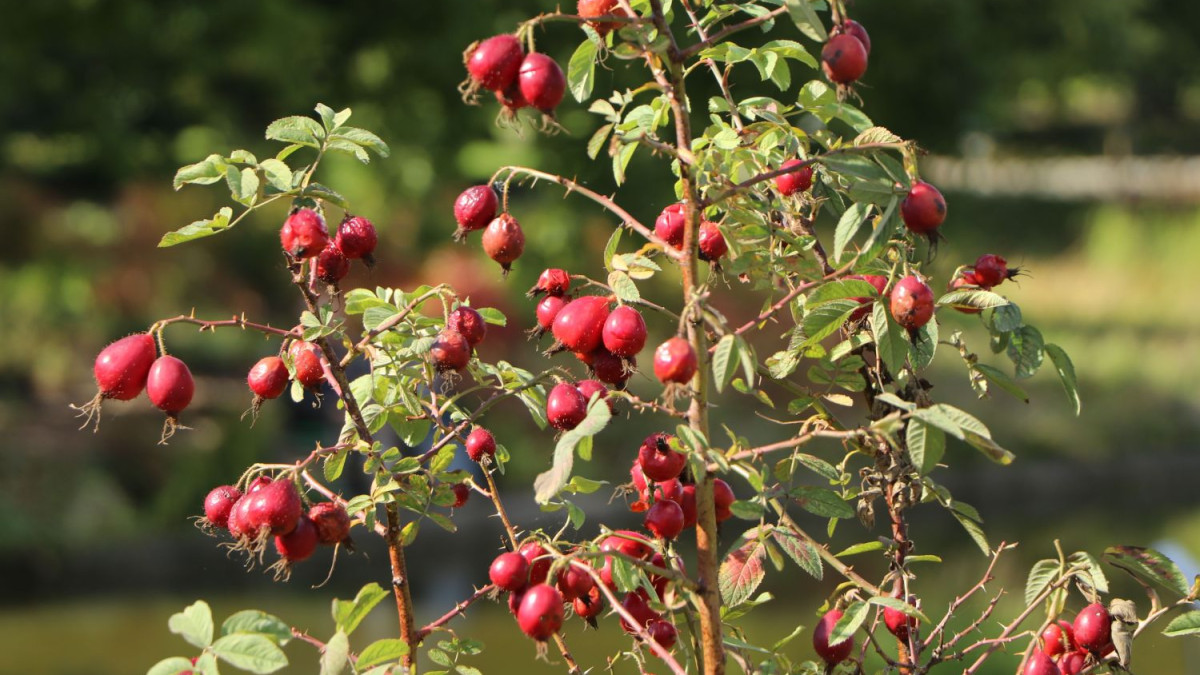
This is what the fruits of a Apple rose, shaggy rose, villous rose look like
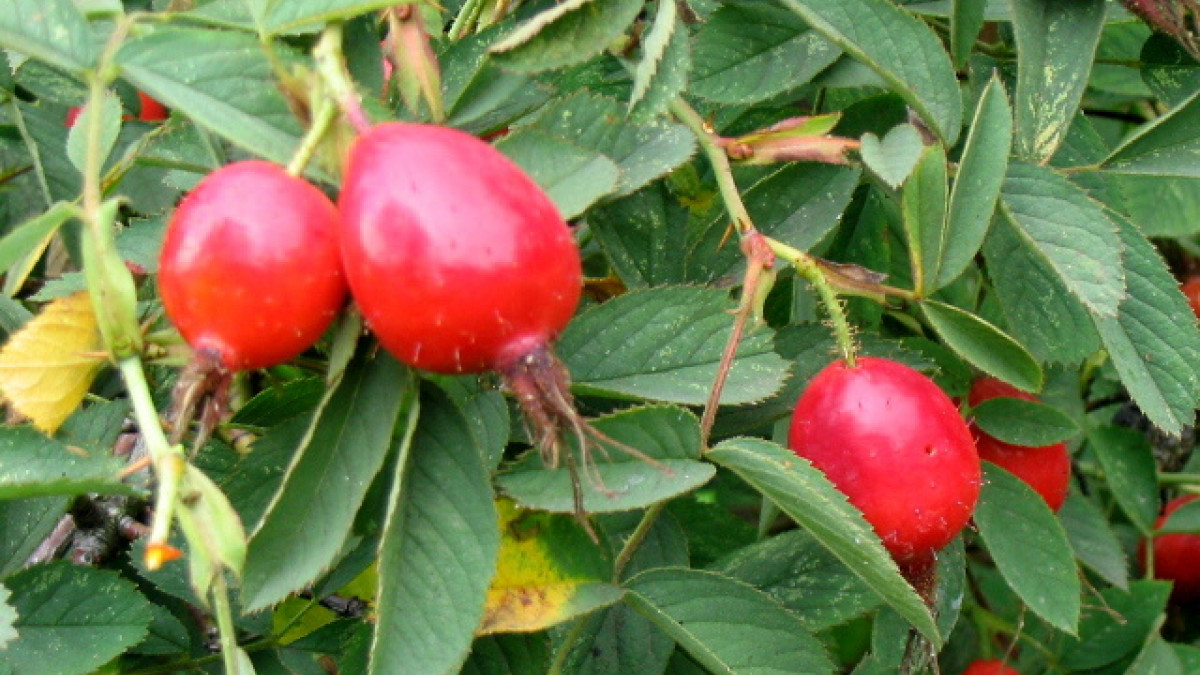
This is what a Apple rose, shaggy rose, villous rose in bloom looks like
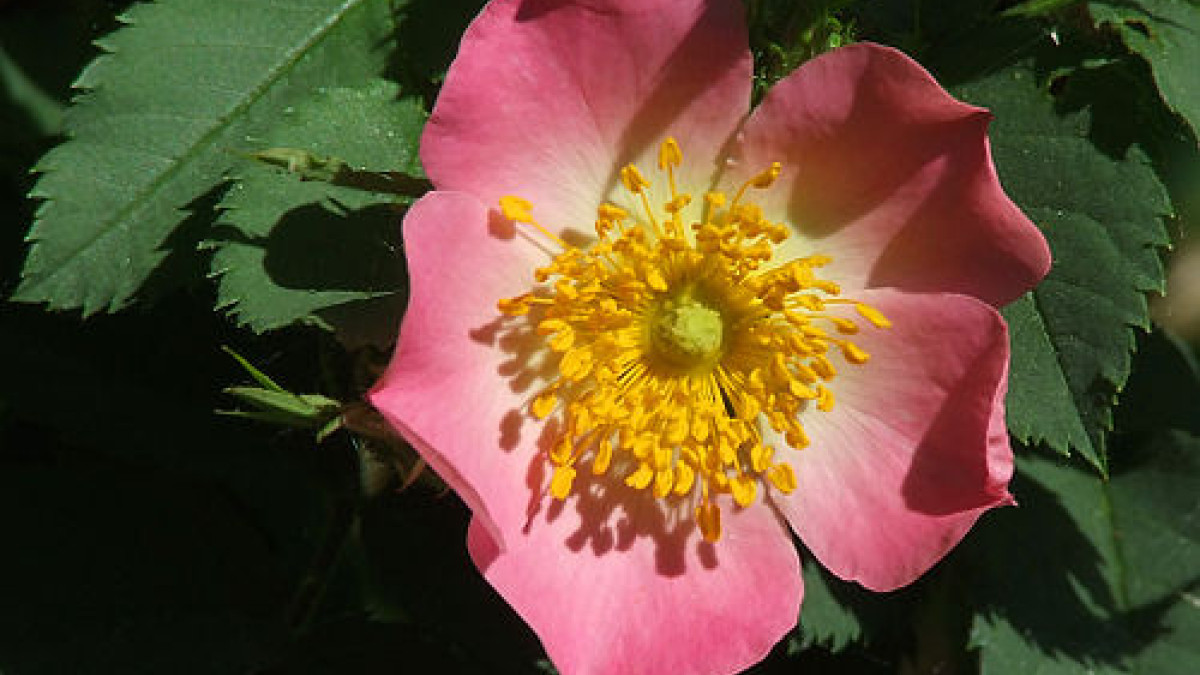
This is what the leaf of a Apple rose, shaggy rose, villous rose looks like