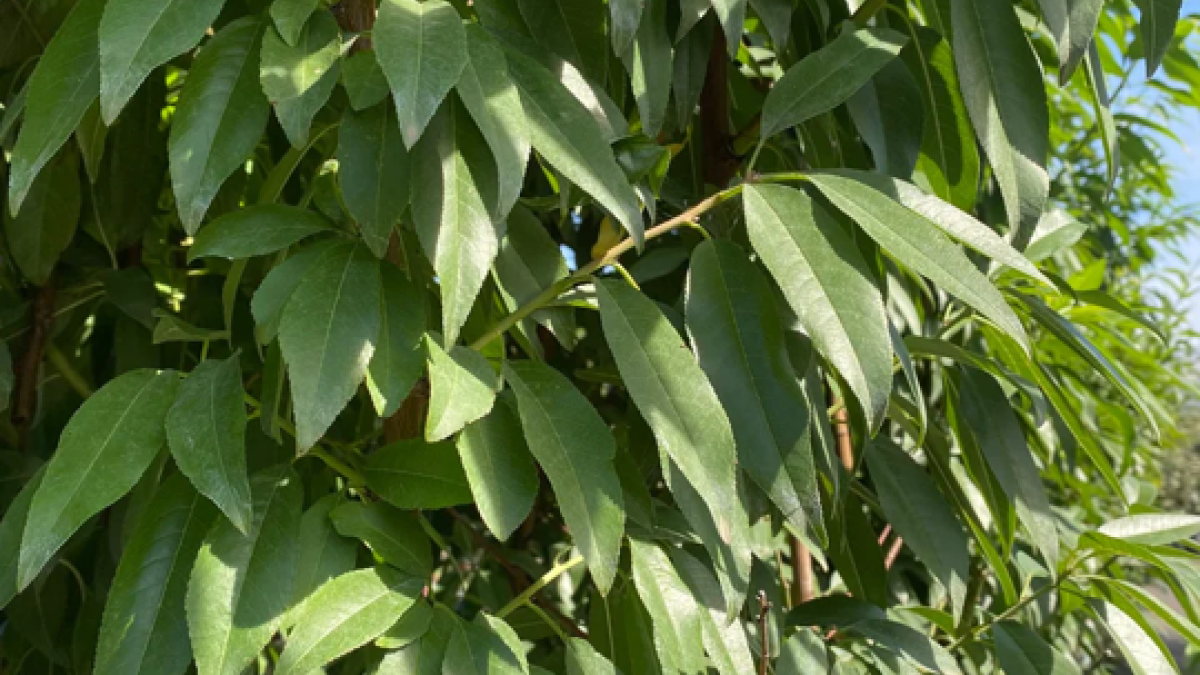




Almond tree

General characteristics of a Almond tree
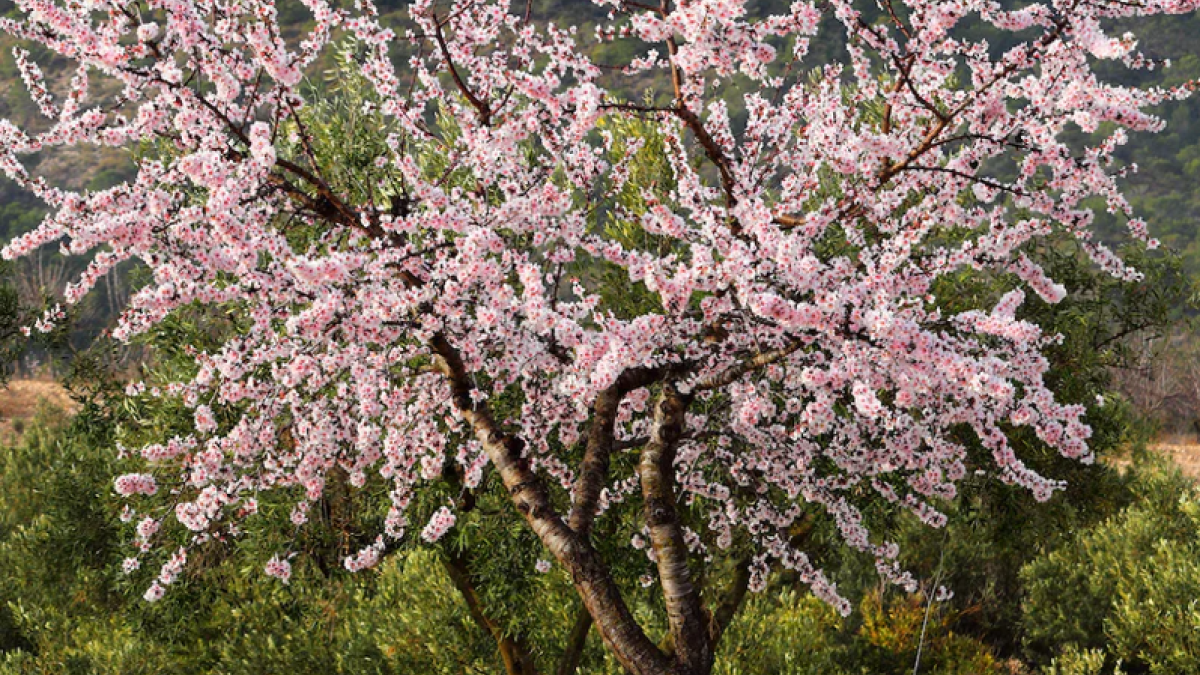
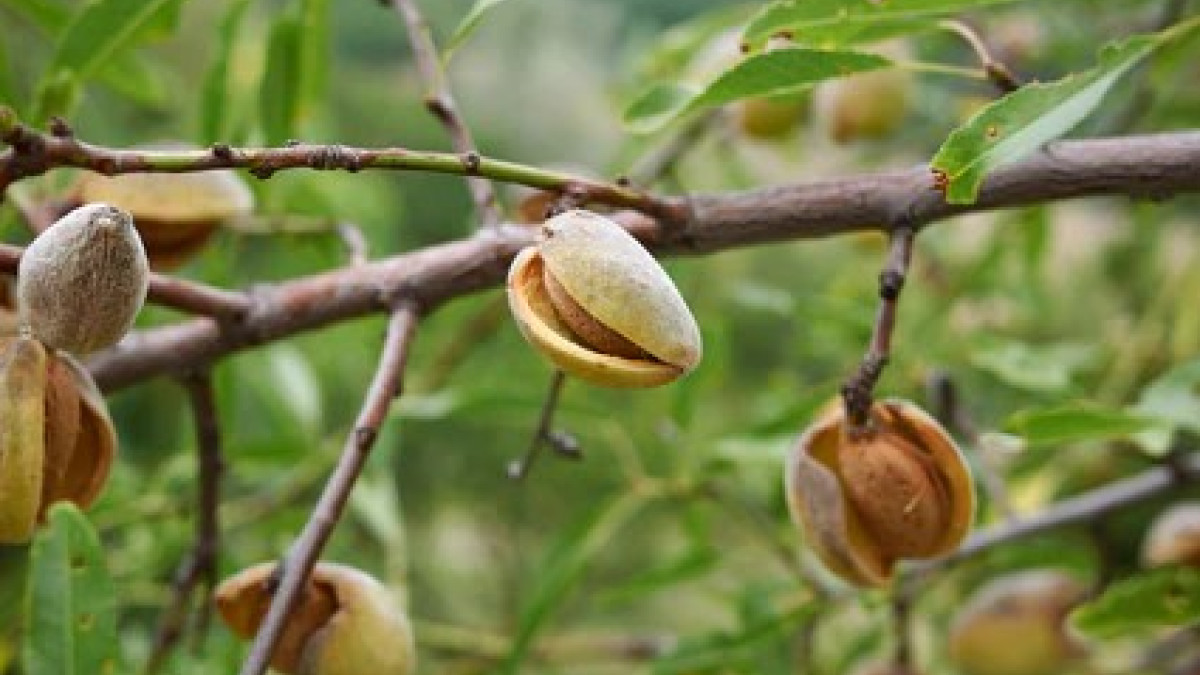
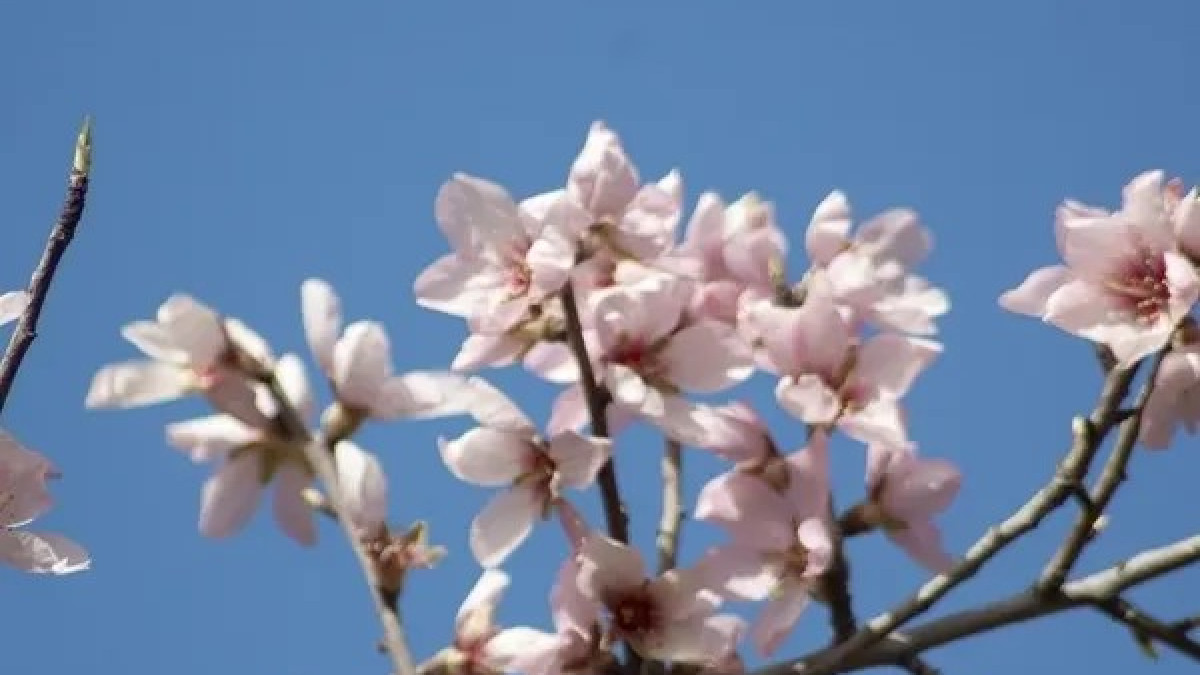
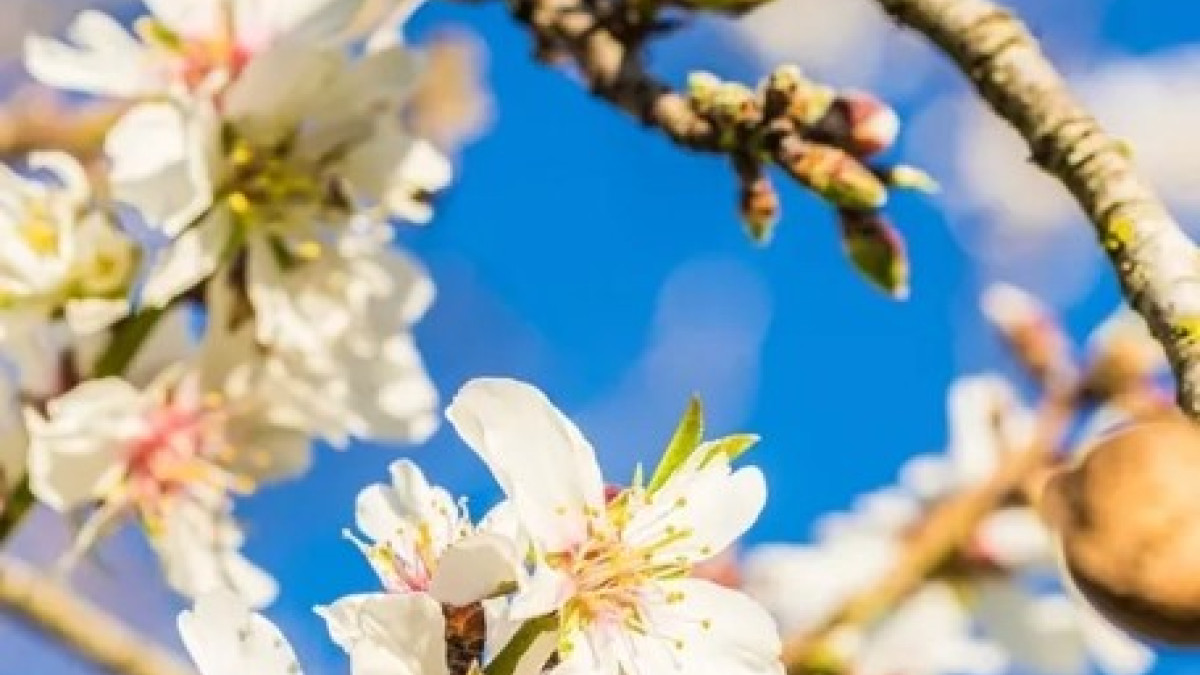
De amandelboom is een kleine loofboom die van origine voorkomt in bergachtige gebieden, deze gedijdt het beste onder zonnige omstandigheden. De boom wordt gemiddeld 4 tot 10 meter hoog en de jonge twijgen zijn eerst groen, maar worden paars- tot bruinachtig wanneer ze worden blootgesteld aan zonlicht. In hun tweede levensjaar worden de takken grijsachtig. Deze mooi sierboom draagt in de bloeiperiode mooie witte bloemen, die graag bezocht worden door verschillende insecten en bijen. Hierna ontwikkeld zich een steenvrucht, de amandel, die eetbaar is voor ons mensen.
Characteristics
How to plant a Almond tree
Plant de amandelboom op een zonnige, warme en beschutte standplaats in goed doorlatende grond. Vermijd plekken waar in het voorjaar koude lucht blijft hangen, omdat de vroege bloei gevoelig is voor nachtvorst. Geef jonge bomen de eerste jaren extra water tijdens droge perioden om een goede wortelontwikkeling te stimuleren.
How to harvest a Almond tree
Zaailingen van de amandelboom zijn in Nederland relatief zeldzaam, omdat de soort zich hier slechts beperkt uitzaait. Zoek in het voorjaar of najaar naar jonge boompjes in de omgeving van vrucht dragende exemplaren. Steek zaailingen bij voorkeur uit wanneer ze tussen de 10 en 50 cm hoog zijn. Probeer daarbij zoveel mogelijk van de penwortel mee te nemen, omdat amandelbomen gevoelig kunnen zijn voor wortelbeschadiging. Verplant de zaailing zo snel mogelijk naar een nieuwe groeiplaats en geef na aanplant voldoende water.
Caring for and pruning your Almond tree
De amandelboom heeft weinig onderhoud nodig. Verwijder dode, beschadigde of kruisende takken bij voorkeur in de zomer om problemen te voorkomen. Een jaarlijkse laag compost rond de voet van de boom ondersteunt de groei en vruchtvorming. Tijdens langdurige droogte kan extra water geven de oogst verbeteren.
Where does a Almond tree grow
Van nature groeit de amandelboom in droge, zonnige gebieden rond het Middellandse Zeegebied en West-Azië. De soort is aangepast aan warme zomers en relatief milde winters en komt vooral voor op goed doorlatende, vaak kalkrijke bodems. In Nederland groeit hij het best op beschutte locaties met een gunstig microklimaat.
General
| Origin |
Alien
|
| Tree Type | Deciduous tree |
Length and Age
| Length in about 10 years | Up to 2 Meter |
| Reproductive Maturity in How Many Years | Up to year |
| Maximum Age | Up to year |
| Required Space | Up to m2 |
| Growth Rate |
Reproduction
| Tree is Self-Pollinating | No |
| Reproduction Method | |
| Reproduction rate |
|
Reproduction rate
| 1. Very low reproduction rate. The plant hardly spreads, has few seeds or vegetative spread (e.g., trees with heavy seeds). |
| 2. Low reproduction rate. Spread via limited seed production or specific conditions required |
| 3. Average reproduction rate. Regular spread, depending on wind, water, or animals, at a moderate speed (e.g., dandelion). |
| 4. High reproduction rate. Many seeds and multiple spread strategies (wind, birds, vegetative). Quickly colonizes open spaces |
| 5. Very high reproduction rate. Invasive species that spread explosively over large distances (e.g., Japanese knotweed). |
Pruning Period
| This Tree is Evergreen | No |
| Summer | June tot August |
| Winter | Information not available |
| Leaf Shapes | Circle round |
| Easy to prune | Yes |
Bark Characteristics Seedling (50-200cm)
Bud Characteristics Seedling (50-200cm)
| Colour | |
| Bud Position | Information not available |
| Bud Shape |
Pointed
|
Other
| Root | Information not available |
| Bloom | Information not available |
| Wind sensitivity |
Diseases
| Sensitive to the Following Diseases | Information not available |
Harvest/recognition in winter
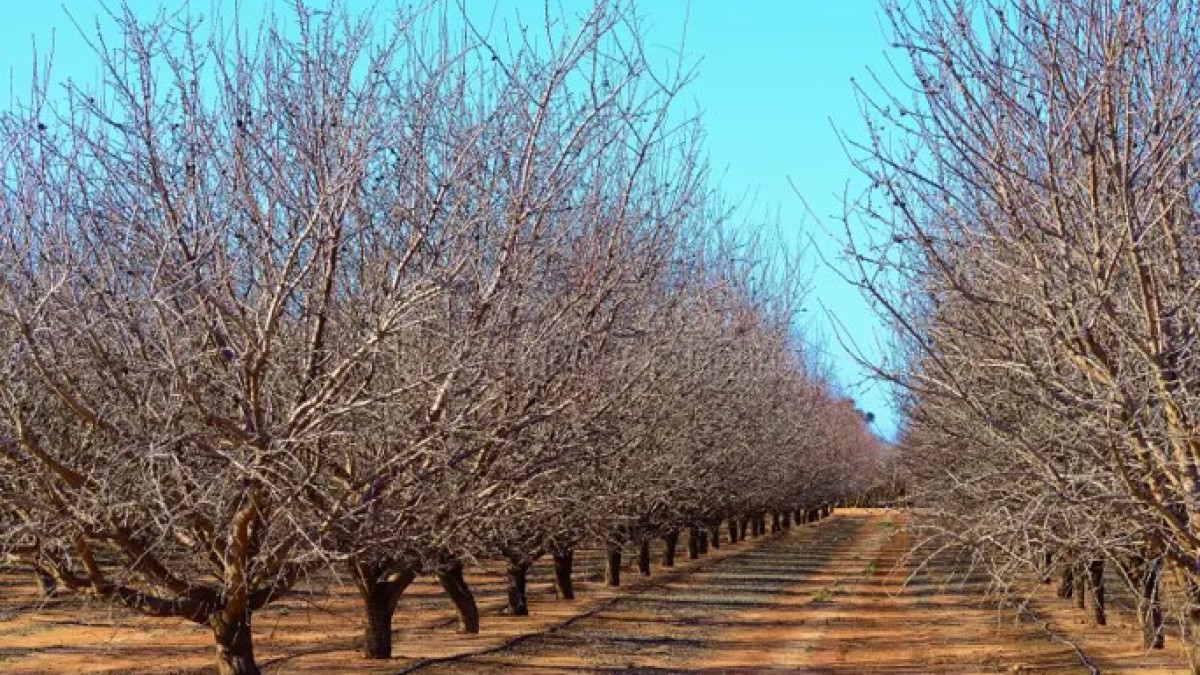
In de winter is de amandelboom herkenbaar aan zijn gladde grijsbruine bast, fijne vertakking en spitse knoppen die vaak al vroeg in het jaar opzwellen. De boom bloeit meestal zeer vroeg, soms al vanaf februari, waardoor bloemknoppen vaak zichtbaar zijn voordat andere fruitbomen uitlopen.
Light requirement of the Almond tree
Suitable soil types for the Almond tree
| Soil type | Suitability |
|---|---|
| light clay |
|
| heavy clay |
|
| sand |
|
| peatland |
|
| Loam |
|
| Moerig op zand |
|
| Lichte zavel |
|
| Zware zavel |
|
Humidity
Suitable acidity level for the Almond tree
Nutritional needs of the Almond tree
| 1. | Very nutrient-poor soil |
| 2. | Very nutrient-poor to nutrient-poor soil |
| 3. | Nutrient-poor soil |
| 4. | Nutrient-poor to moderately nutrient-rich soil |
| 5. | Moderately nutrient-rich soil |
| 6. | Moderately nutrient-rich to nutrient-rich soil |
| 7. | Nutrient-rich soil |
| 8. | Extremely nutrient-rich soil |
| 9. | Very extremely nutrient-rich soil |
Humidity
| 1. | Extremely dry soils |
| 2. | Extremely dry to dry soils |
| 3. | Dry soils |
| 4. | Dry to dry/moist soils |
| 5. | Dry/moist soils |
| 6. | Dry/moist to moist soils |
| 7. | Moist soils |
| 8. | Moist to wet soils |
| 9. | Wet soils |
To be applied in landscapes
| Landscape | Suitability |
|---|---|
| Agroforestry |
|
| Hedge |
|
| Hedge |
|
| Forest |
|
| Feeding hedge |
|
| Back yard |
|
| Small back yard |
|
| Solitary |
|
| Wood wall |
|
Cultural-historical value
Insects
| How many insects typically live on this tree/plant? | |
| Which insect groups live on this tree/plant? |
Bees
|
| Are there insects dependent on this species? | No |
| Which insect species are dependent on this tree/plant? |
Birds
| Average number of birds per tree/plant? | |
| Which bird groups live on this tree/plant? |
|
Mammals
| Average number of mammals per tree/plant? | |
| Which mammal groups live on this tree/plant? |
|
| Are there mammals dependent on this species? | No |
| Which mammal species are dependent on this tree/plant? |
Bloom Period
| Summer | March Up to April |
Tree Species
| Tree species that this tree prefers to grow with |
|
Suitable for mammals?
| Mammal | Suitability |
|---|---|
| Human |
|
| Horse |
|
| Cow |
|
| Pig |
|
| Chicken |
|
| Goat |
|
| Sheep |
|
| Herbivorous rodents |
|
| Dog |
|
| Cat |
|
| Foxes |
|
| Badgers |
|
| Ferret |
|
| Mouse |
|
| Squirrel |
|
| Wild boar |
|
| Deer |
|
| Roe deer |
|
| Beavers |
|
| Bats |
|
Explanation
Explanation
Edibility
- Toxic: This tree or shrub is toxic to mammals and absolutely unsuitable for consumption.
- Very unsuitable: This tree or shrub is unsuitable for consumption by mammals and can be harmful.
- Unsuitable: This tree or shrub is generally unsuitable for consumption by mammals and can have adverse effects.
- Moderately suitable: This tree or shrub is moderately suitable as food for mammals, possibly with certain risks or limitations.
- Suitable: This tree or shrub is generally suitable as food for mammals, with little to no risks.
- Very suitable: This tree or shrub is very suitable as food for mammals, safe, and of high nutritional value.
Trunk Height
Average Trunk Height (hg) of the basal area median tree
Information not available
Trunk Diameter
(dg) (1.30m) of the basal area median tree.
Information not available
Aboveground Biomass
in whole kgInformation not available
Belowground Biomass
in whole kgInformation not available
Substance Binder
Information not available
Carbon Attraction (kf)
| (dg) (1.30m) of the basal area median tree | Deciduous Trees (Kf = 0,48) |
Warming Resistance
| This tree is well resistant to the warming (plus 3 degrees) of our climate and fits into the future of our climate (heat and drought resistant). | No |
This is what an adult tree Almond tree looks like
This is what the fruits of a Almond tree look like
This is what a Almond tree in bloom looks like
This is what the leaf of a Almond tree looks like